


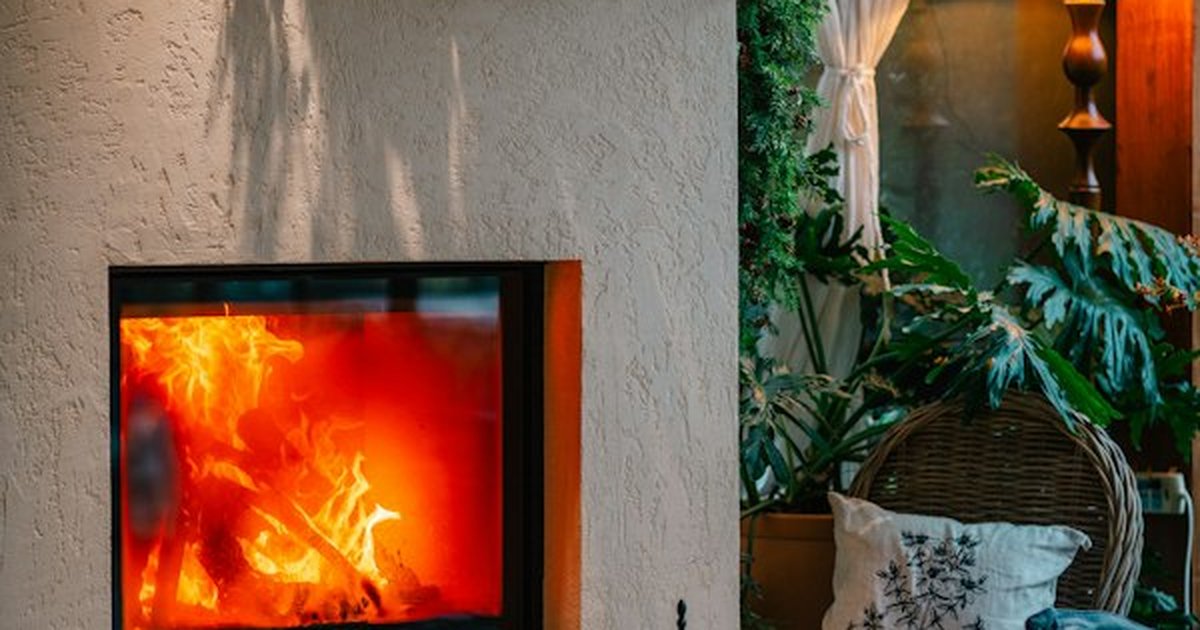
As winter temperatures plummet, residential heating systems kick into continuous overdrive, driving monthly utility bills to astronomical heights. Most homeowners assume that the only way to lower winter heating expenses is either shivering under three layers of wool blankets with the thermostat pinned at 60 degrees, or spending tens of thousands of dollars on full exterior wall insulation and triple-glazed window retrofits.
In reality, residential building physics reveals that the vast majority of winter thermal loss does not occur through solid insulated walls. Instead, heat escapes through micro-convective air leaks, unsealed perimeter frames, radiator wall absorption, and poor indoor air stratification. By executing ten passive thermal adjustments rooted in thermodynamic heat transfer principles, you can cut heating costs by twenty to thirty percent while increasing living comfort. Below is your comprehensive winter efficiency guide.
1. Thermodynamic Air Stratification: The Clockwise Ceiling Fan Hack
One of the most overlooked thermodynamic phenomena in domestic spaces is thermal air stratification. Because warm air is less dense than cold air, heated air generated by your furnace or heat pump naturally rises toward the ceiling, leaving the floor zone where you sit and sleep noticeably colder. In rooms with standard eight-foot ceilings, the temperature differential between floor and ceiling can exceed eight degrees; in rooms with cathedral or vaulted ceilings, the gap can reach fifteen degrees.
You can equalize this stratified thermal envelope without running your central furnace harder by reversing your ceiling fan. Locate the small directional toggle switch on the motor housing and set the fan to rotate clockwise at its lowest speed setting.
According to thermal comfort and energy efficiency studies from the U.S. Department of Energy (DOE) Energy Saver Program, operating a ceiling fan clockwise at low speed creates a gentle, imperceptible updraft. This pulls cool air upward toward the center of the room, displacing trapped hot ceiling air and forcing it down along the outer perimeter walls back into the living zone without creating a chilling wind-chill effect.

2. Radiator Heat Recovery with Reflective Thermal Foil
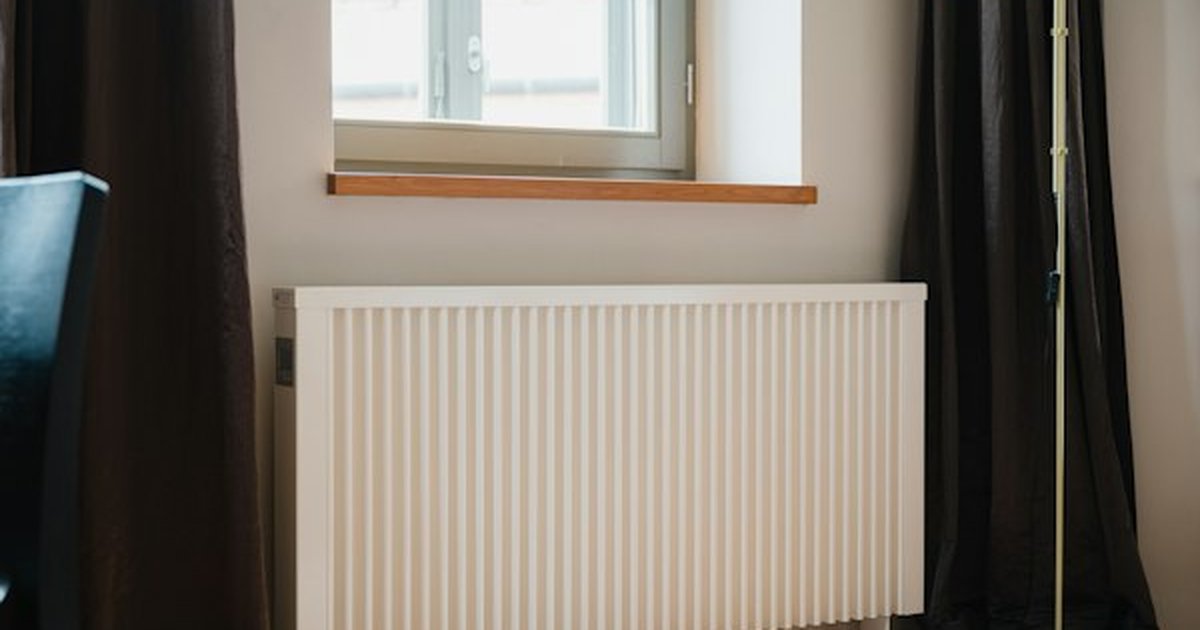
In homes heated by cast-iron radiators or hydronic baseboard loops, a massive amount of expensive thermal energy is completely wasted through external wall conduction. Radiators transfer heat via radiation in all 360 degrees. Because radiators are traditionally mounted beneath exterior windows against cold exterior masonry or drywall, roughly forty percent of the radiant heat goes straight into the exterior wall, conducting directly to the freezing outdoor air.
Install high-efficiency radiator heat reflector panels behind every radiator in your home. These panels consist of a thin layer of closed-cell polyethylene foam laminated to a high-purity aluminum foil surface. The reflective foil bounces up to 95% of emitted infrared radiant energy back into the interior room before it can penetrate cold exterior masonry.
According to thermodynamic research published by the Lawrence Berkeley National Laboratory Energy Technologies Area, backing radiators with radiant barriers reduces boiler runtime by up to 12% in older masonry structures, delivering a complete return on hardware investment in fewer than forty-five days.
3. Passive Diurnal Solar Heat Capture and Nighttime Drapery
The sun is the most powerful free heating element available to your home. On clear winter days, direct shortwave solar radiation passing through south-facing glass panes delivers roughly 1,000 Watts of thermal energy per square meter of window aperture.
Execute strict diurnal window management:
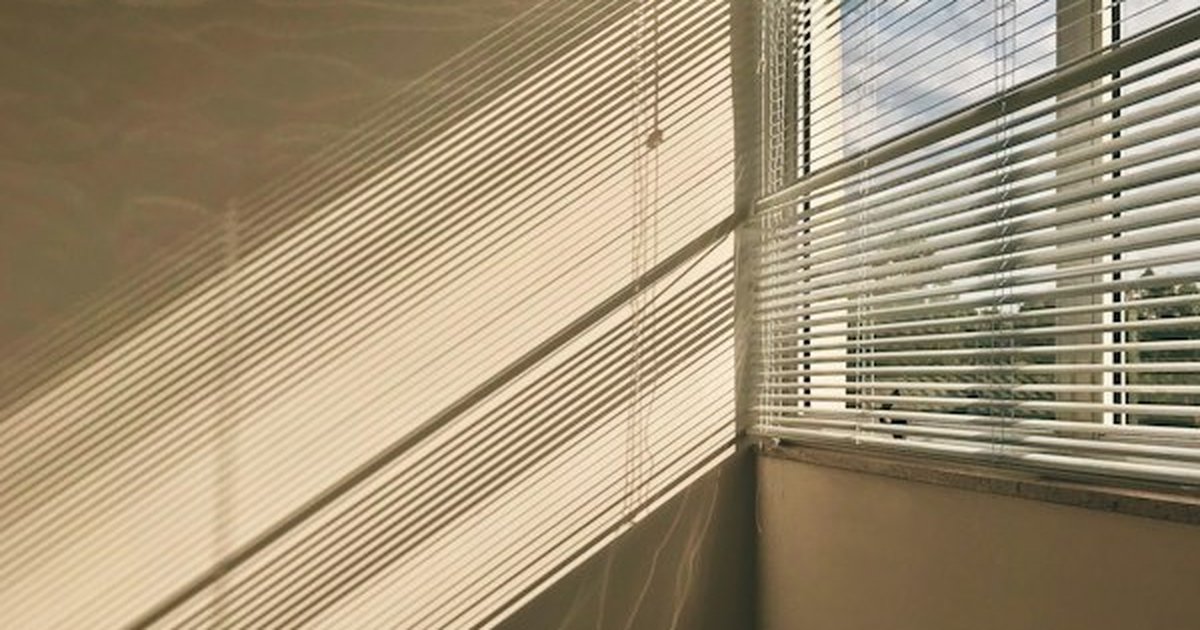
- Morning Solar Influx (8:00 AM – 3:30 PM): Open all south- and east-facing drapes and blinds completely the moment the sun rises. Allow direct sunbeams to strike interior ceramic tile, solid timber flooring, and heavy furniture, which act as thermal mass reservoirs that absorb and store solar BTUs.
- Twilight Thermal Sealing (Sundown): The moment dusk falls, close heavy, tightly woven linen drapes or insulated cellular honeycomb shades. Double-cell honeycomb blinds trap a layer of dead air inside their hexagonal pockets, boosting window thermal resistance from R-1.5 to over R-4.2 and preventing nighttime radiant heat escape.
4. Convective Air Sealing: The Stack Effect and Door Sweeps
Most drafts do not blow in through windows; they are sucked into your living space by the “Stack Effect.” As heated indoor air rises toward the attic or upper floor ceilings, it creates a slight negative pressure zone on ground floors, actively sucking freezing outdoor air in through gaps under exterior doors, baseboard cracks, and unsealed electrical outlets.
Install silicone or heavy-duty brush bottom door sweeps on all exterior doors, ensuring the sweep makes continuous, firm contact with the aluminum threshold. Replace cracked foam gaskets behind exterior-facing light switches and electrical receptacles: uninsulated outlet boxes act like open chimneys connecting your heated living room directly to cold stud wall cavities.
5. Thermal Efficiency Tweak and Savings Potential Matrix
Review the estimated cost, installation complexity, and projected heating bill reduction for each primary thermal intervention:
| Thermal Adjustment | Hardware Investment | Typical Bill Reduction | DIY Installation Time | Thermodynamic Operating Principle |
|---|---|---|---|---|
| Ceiling Fan Clockwise Reversal | $0 (Zero cost) | 5% – 8% | 1 minute | Destratification: pushes trapped ceiling heat down to floor |
| Radiator Aluminum Reflectors | $15 – $30 per room | 7% – 12% | 30 minutes | Radiation barrier: blocks heat conduction into exterior walls |
| Insulated Cellular Honeycomb Shades | $40 – $90 per window | 10% – 15% | 45 minutes | Air trapping: creates high-R dead air thermal insulation buffer |
| Silicone Perimeter Door Sweeps | $10 – $20 per doorway | 6% – 10% | 15 minutes | Infiltration control: neutralizes ground-level stack effect infiltration |
| High-Density Wool Floor Rugs | $80 – $200 per rug | 4% – 7% | Immediate | Conduction resistance: decouples feet from cold subfloors |
6. Harmonizing Winter Thermal Efficiency with Living Space Design
Achieving a warm, energy-efficient home complements intentional design choices throughout your living environment. For instance, managing natural sunlight for passive heating pairs seamlessly with our principles in how to maximize natural light in dim interior rooms, ensuring winter daylight illuminates living areas without glare.
When arranging sofas, reading nooks, and desks to avoid drafty exterior walls, reference our spatial guide to small-space living room layouts for flow and comfort. Finally, if you are looking for more sustainable household habits that reduce your ecological footprint year-round, explore our proven recommendations in zero-waste kitchen habits: 8 realistic swaps that cut waste in half.