


Microscopic plastic fragments have permeated every corner of modern civilization, from oceanic trenches to Arctic snowfall. While international headlines frequently focus on macroscopic industrial trash in waterways, scientific environmental sampling reveals that the single largest direct exposure point for humans is domestic: inside our own homes. Every week, the average person inadvertently ingests and inhales roughly five grams of microscopic synthetic polymers—equivalent in mass to a standard plastic credit card.
These synthetic particles enter domestic ecosystems through two primary conduits: municipal tap water carrying synthetic fiber degradation, and residential washing machines shedding millions of polyester and nylon micro-threads per laundry cycle. Eliminating domestic microplastics does not require moving off-grid; it requires applying targeted physical barrier technologies and replacing petroleum-derived home textiles with durable natural fibers. Below is our engineering blueprint for microplastic-free living.
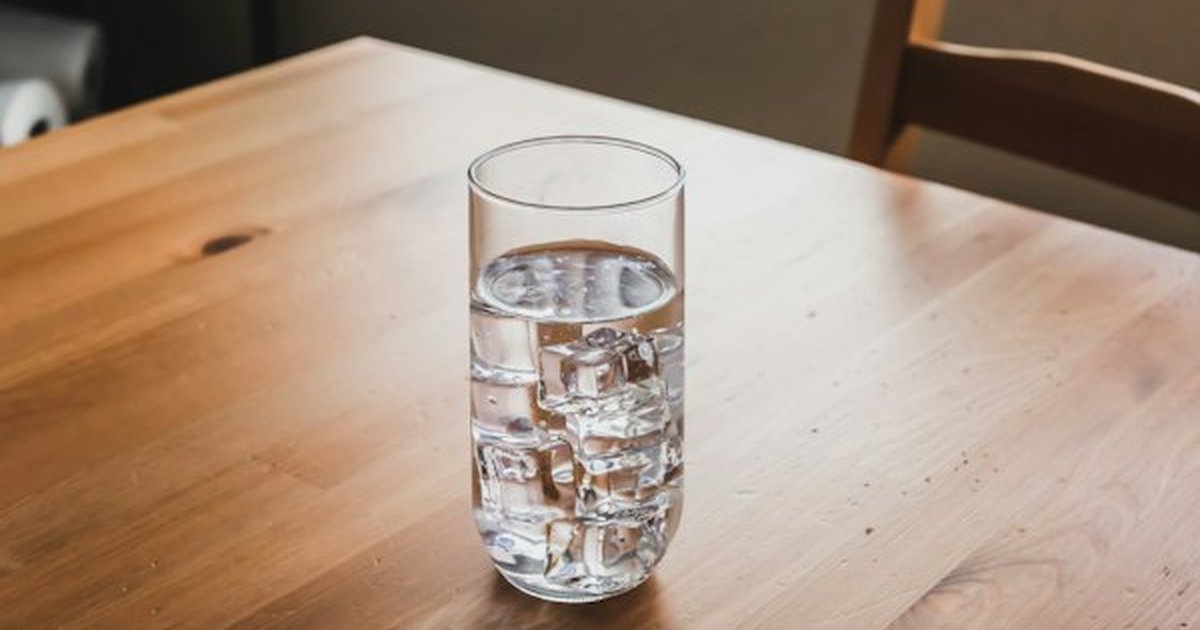
1. The Particle Physics of Waterborne Microplastics
Municipal municipal water treatment facilities do an admirable job removing biological pathogens and heavy sediments. However, standard sand beds and chlorination basins were never engineered to intercept sub-micron synthetic particles. Waterborne microplastics range in size from primary pellets (under 5 millimeters) down to secondary nanoplastics measuring mere nanometers, shed from municipal PVC distribution mains, industrial runoff, and degraded polyethylene terephthalate (PET) bottles.
According to analytical health reviews conducted by the World Health Organization (WHO), microplastics in drinking water act as chemical sponges, adsorbing hydrophobic environmental toxins including polychlorinated biphenyls (PCBs) and polyfluoroalkyl substances (PFAS). When ingested, particles smaller than 1.5 microns can physically penetrate epithelial intestinal membranes, entering human lymph nodes and vascular tissue.
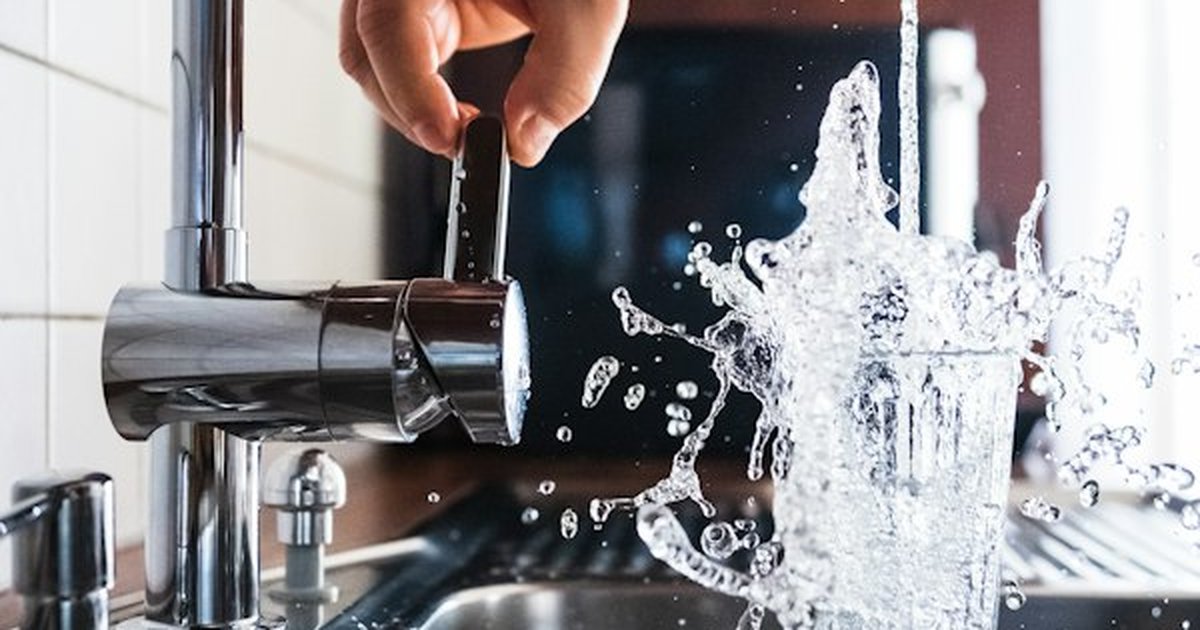
Standard gravity pitcher filters relying solely on loose activated carbon granules are structurally incapable of intercepting microplastics smaller than 20 to 50 microns. To achieve true sub-micron microplastic elimination at the kitchen tap, domestic filtration requires one of two verified mechanical barriers:
- Sub-Micron Solid Carbon Block with Ceramic Membrane (0.5 Micron): Extruded solid carbon matrix cores forced under municipal line pressure physically block particles larger than 0.5 microns via tortuous-path mechanical sieving, retaining healthy dissolved minerals while removing 99.9% of microplastics.
- Point-of-Use Reverse Osmosis (RO) with TFC Membranes (0.0001 Micron): Thin-film composite (TFC) semi-permeable membranes operate at molecular scale pore sizes, filtering out virtually all suspended solids, microplastics, nanoplastics, heavy metals, and PFAS. Pair RO systems with an inline calcite remineralization cartridge to restore neutral pH and trace magnesium.
When selecting any domestic water filtration system, always verify independent third-party certification. Look for NSF/ANSI Standard 401 (Emerging Compounds and Incidental Contaminants) or NSF/ANSI 53/58 certification, which legally validates that the manufacturer’s physical filtration claims have been tested by accredited laboratories to achieve verified microplastic reduction exceeding ninety-nine percent under continuous line pressure.
2. Washing Machine Effluent and Synthetic Textile Shedding
While water filtration protects what goes into your body, laundry management prevents your household from discharging millions of synthetic microfibers into municipal waterways. Modern apparel relies heavily on synthetic petroleum polymers—polyester, nylon, acrylic, and elastane—which make up over sixty percent of worldwide textile production.
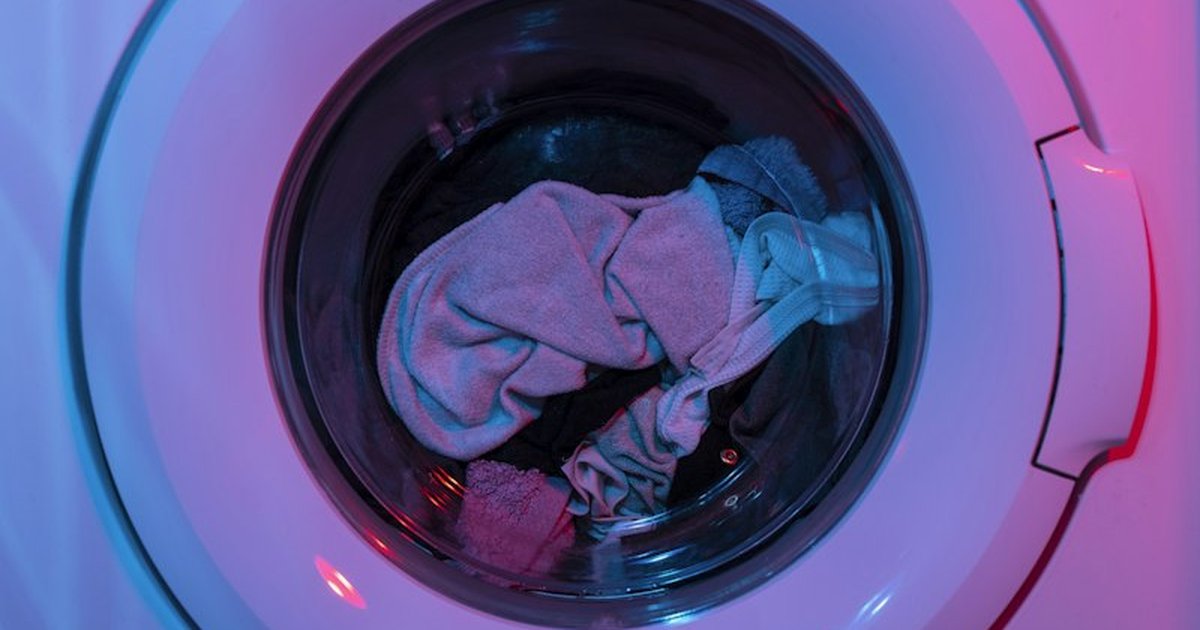
Every time a synthetic fleece jacket or polyester activewear garment is agitated in a domestic washing machine, mechanical friction and hydraulic shear snap microscopic synthetic fibers. According to marine microplastic studies published by the National Oceanic and Atmospheric Administration (NOAA) Marine Debris Program, a single domestic laundry load of synthetic garments discharges upwards of 700,000 microscopic plastic fibers straight into wastewater infrastructure, bypassing standard sewage treatment plants.
You can intercept synthetic fibers at the source using three proven mechanical interventions:
- External In-Line Washing Machine Filters: Plumbed directly into your washer’s discharge hose, external canister filters use a 100-to-150 micron reusable stainless steel mesh cartridge to capture up to 87% of shed synthetic microfibers before wastewater leaves your home.
- Micromesh Laundry Wash Bags: Washing synthetic fleece and technical gym wear inside 50-micron monofilament polyamide wash bags significantly dampens fiber-shearing friction while trapping broken lint for disposal in solid waste bins.
- Cold Water Gentle Cycles: Washing at 30°C (86°F) rather than hot water reduces textile fiber degradation by over thirty percent, simultaneously slashing laundry energy consumption.
3. Kitchen Food Contact: Eradicating Polymer Leaching
Microplastics do not only enter our systems through drinking water; they leach directly into hot foods from degraded domestic kitchenware. Thin plastic cutting boards, polypropylene food containers microwaved at high heat, and non-stick PTFE cookware subject to metal utensils shed millions of polymer fragments directly into food.
A recent university study revealed that slicing vegetables on standard plastic cutting boards generates between 1,500 and 7,500 microplastic slivers per chopping session. Replace synthetic kitchen surfaces with end-grain hardwood cutting boards (maple, beech, or walnut) treated with pure food-grade mineral oil or beeswax. Hardwood cellular fibers possess natural capillary elasticity that closes around knife blade cuts rather than splintering into ingestible particles.

4. Microplastic Filtration and Interception Performance Matrix
Review the filtration mechanisms, pore ratings, and retention efficiencies of primary domestic microplastic barriers:
| Interception System | Pore Rating | Microplastic Removal % | Maintenance Protocol | Key Domestic Advantage |
|---|---|---|---|---|
| Reverse Osmosis (Point-of-Use) | 0.0001 Micron | 99.9% (including nanoplastics) | Replace pre-filters biannually, membrane every 3 years | Ultimate chemical, heavy metal, and polymer barrier |
| Solid Carbon Block + Ceramic | 0.5 Micron | 99.5% of waterborne particulates | Replace cartridge every 9–12 months | Retains natural beneficial electrolytes and minerals |
| Washing Machine Discharge Filter | 100–150 Microns | 78%–87% of synthetic microfibers | Empty stainless mesh screen monthly | Prevents municipal wastewater microplastic pollution |
| Microfiber Catch Laundry Bag | 50 Microns | 70%–80% retention of shed lint | Wipe out trapped lint with paper towel after wash | Zero installation required, ideal for rental living |
5. Sustainable Living System Integration
Eliminating microplastics naturally aligns with a broader sustainable lifestyle. If you are refining food storage routines, explore our foundational swaps in zero-waste kitchen habits: 8 realistic swaps that cut waste in half, where beeswax wraps and stainless steel containers replace plastic cling film.
To safely recycle unavoidable organic kitchen trimmings into beneficial garden soil without single-use plastic waste, review our detailed guide on indoor composting without odors using Bokashi methods. Finally, establish clean visual order across your non-toxic food storage by applying spatial techniques from our kitchen pantry organization blueprint.