


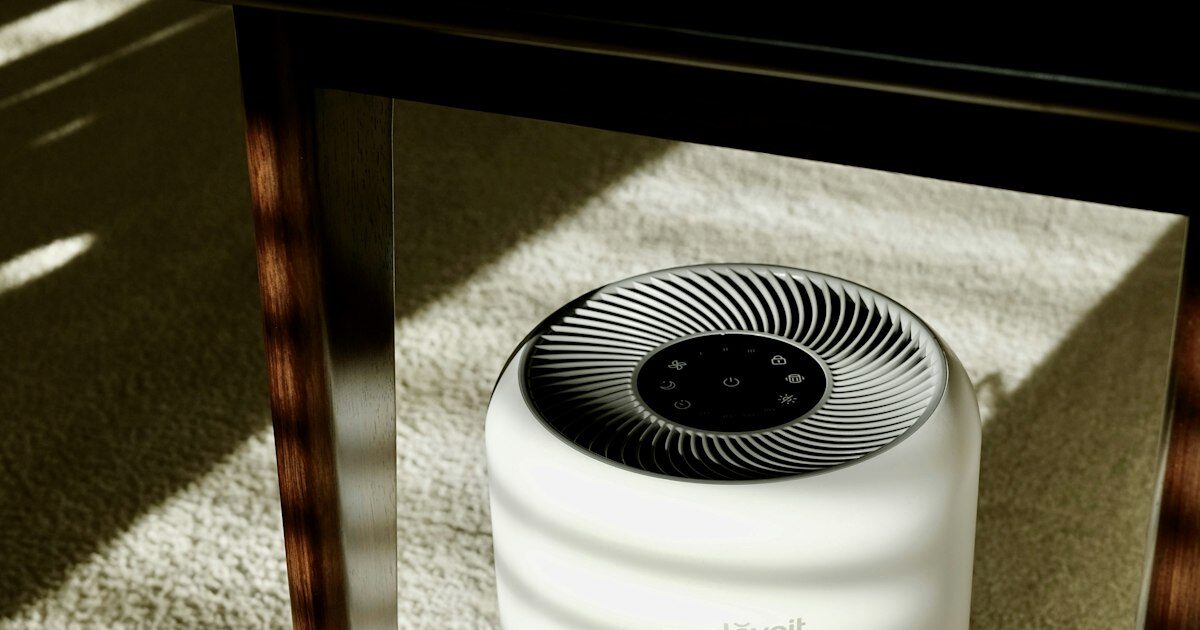
Most homeowners assume that stepping through their front door seals them away from environmental pollution. However, comprehensive building science data reveals the opposite reality: indoor air quality inside modern, airtight residential structures is frequently two to five times more polluted than outdoor ambient air. Between off-gassing construction adhesives, synthetic flame retardants, cooking combustion byproducts, and pet dander, domestic atmospheres accumulate an invisible soup of micro-particulates and volatile organic compounds.
Achieving truly clean indoor air is not a matter of lighting scented paraffin candles or plugging in synthetic fragrance diffusers, which actually worsen chemical contamination. Instead, modern domestic engineering relies on three foundational pillars: mechanical ventilation physics, certified high-efficiency particulate air (HEPA) filtration, and strict low-VOC source control. Below is your comprehensive blueprint for transforming residential airspace into a rejuvenating sanctuary.
1. The Physics of Air Exchange and Carbon Dioxide Buildup
Modern building codes rightly emphasize thermal efficiency, sealing walls and windows with heavy weatherstripping and expanding foam to reduce heating and cooling losses. While this airtight construction slashes utility bills, it effectively turns modern dwellings into closed plastic containers. Without deliberate mechanical or natural air changes, human respiration rapidly increases carbon dioxide (CO2) concentrations from an ambient outdoor baseline of 420 parts per million (ppm) to over 1,500 ppm in enclosed bedrooms overnight.
When CO2 climbs above 1,000 ppm, cognitive performance drops, decision-making slows, and residents experience sluggish morning fatigue and mild tension headaches. According to residential ventilation guidelines established by the American Society of Heating, Refrigerating and Air-Conditioning Engineers (ASHRAE), living spaces require a continuous mechanical ventilation rate sufficient to achieve 0.35 air changes per hour (ACH) to prevent bio-effluent accumulation.
You can execute natural purge ventilation without compromising thermal stability by practicing “shock ventilation” (known in German engineering as Stoßlüften). Open opposing windows fully for five to seven minutes twice daily. This creates a rapid convective pressure differential that flushes stale indoor air and replaces it with oxygen-rich outdoor atmosphere before interior drywall and heavy solid furniture lose their stored thermal mass.

2. HEPA Filtration and Clean Air Delivery Rate (CADR) Science
While ventilation brings fresh oxygen indoors, ambient particulate matter—including pollen, microscopic dust mites, mold spores, and combustion particles from urban traffic—must be mechanically extracted. This requires a dedicated mechanical air purifier equipped with true HEPA filtration.
True HEPA filters are governed by international standard EN 1822 and DOE specifications, requiring the physical filter media to capture a minimum of 99.97% of airborne particles measuring 0.3 microns in aerodynamic diameter. This specific size represents the Most Penetrating Particle Size (MPPS); particles both larger and smaller are captured with even higher efficiency due to inertial impaction, interception, and Brownian diffusion.
When selecting a residential air purifier, ignore vague marketing promises of “room coverage” and evaluate the certified Clean Air Delivery Rate (CADR) measured in cubic feet per minute (CFM). Developed by the Association of Home Appliance Manufacturers, CADR indicates the exact volume of clean air a unit delivers across three distinct pollutant sizes: smoke, dust, and pollen.
To calculate the minimum required CADR for any room, use the standard engineering rule of two-thirds: your air purifier CADR score for smoke should equal at least two-thirds of the room’s total floor area in square feet. For example, a 300-square-foot living room requires an air purifier with a certified smoke CADR of at least 200 CFM to deliver five complete air cleaning cycles per hour.
3. Eradicating Volatile Organic Compounds (VOCs) at the Source
Particulate filters like HEPA media are virtually useless against gaseous chemicals and Volatile Organic Compounds (VOCs) such as formaldehyde, benzene, toluene, and acetaldehyde. These microscopic gas molecules easily pass straight through dense fiber webs. Addressing chemical off-gassing demands an activated carbon adsorption stage paired with ruthless source elimination.
According to research published by the U.S. Environmental Protection Agency (EPA), levels of common organic pollutants average 2 to 5 times higher inside homes than outside, regardless of whether dwellings are situated in rural or highly industrial areas. Common offenders include pressed-wood cabinetry bonded with urea-formaldehyde resins, synthetic polyurethane foam mattresses, polyvinyl chloride (PVC) flooring, and conventional solvent-borne paints.
Adopt a proactive low-VOC procurement strategy across all domestic renovations:
- Paints and Primers: Mandate zero-VOC interior wall paints containing fewer than 5 grams per liter of volatile solvents, third-party certified by Green Seal (GS-11) or GREENGUARD Gold standards.
- Solid Timber vs. Engineered Board: Prioritize solid hardwood, pine, or exterior-grade formaldehyde-free plywood (NAUF / CARB Phase 2 compliant) over standard medium-density fiberboard (MDF) for interior shelving and cabinetry.
- Natural Textiles: Substitute synthetic polyester, nylon, and stain-resistant chemical treatments with organic linen, cotton, and untreated wool.
- Adhesives and Sealants: Utilize 100% water-based acrylic or non-toxic silane-modified polymer caulks in place of solvent-heavy contact adhesives.

4. Indoor Air Quality Monitoring and Purification Matrix
Use the following performance matrix to evaluate primary domestic air purification technologies, operating mechanisms, and functional limitations:
| Technology / Method | Target Contaminants | Efficiency Standard | Maintenance Cycle | Key Domestic Advantage |
|---|---|---|---|---|
| True HEPA (H13/H14) | PM2.5, dust, pollen, pet dander, smoke | 99.97% capture at 0.3 microns | Replace every 6–12 months | Zero ozone generation, completely non-toxic mechanical capture |
| Activated Carbon Granules | VOCs, formaldehyde, cooking odors, pet smells | Adsorption via porous micro-cavities | Replace every 3–6 months | Traps gaseous phase contaminants that bypass physical mesh |
| Shock Ventilation (Stoßlüften) | Carbon dioxide (CO2), indoor humidity, radon | Flushes 80–90% room volume in 5 min | Execute 2–3 times daily | Immediate oxygen replenishment without long-term thermal loss |
| Biophilic Houseplants | Trace gaseous compounds, visual stress | Supplemental biological transpirational balance | Weekly watering and leaf wiping | Regulates micro-humidity and enhances restorative cognitive focus |
5. Holistic Airflow Integration with Home Architecture
A comprehensive indoor air management protocol works hand-in-hand with the rest of your residential ecosystem. For example, maintaining optimal airflow complements our principles on maximizing natural light in dim interior rooms, where unobstructed window trims allow both sunlight and fresh breezes to sweep across living zones.
Similarly, when configuring furniture arrangements using our small-space living room layout blueprint, ensure that large credenzas, floor cushions, and media consoles do not obstruct return vents or floor-level air purifiers. Finally, introduce hardy green foliage from our guide on low-light houseplants that actually thrive indoors to stabilize ambient room humidity and complete your restorative domestic sanctuary.