


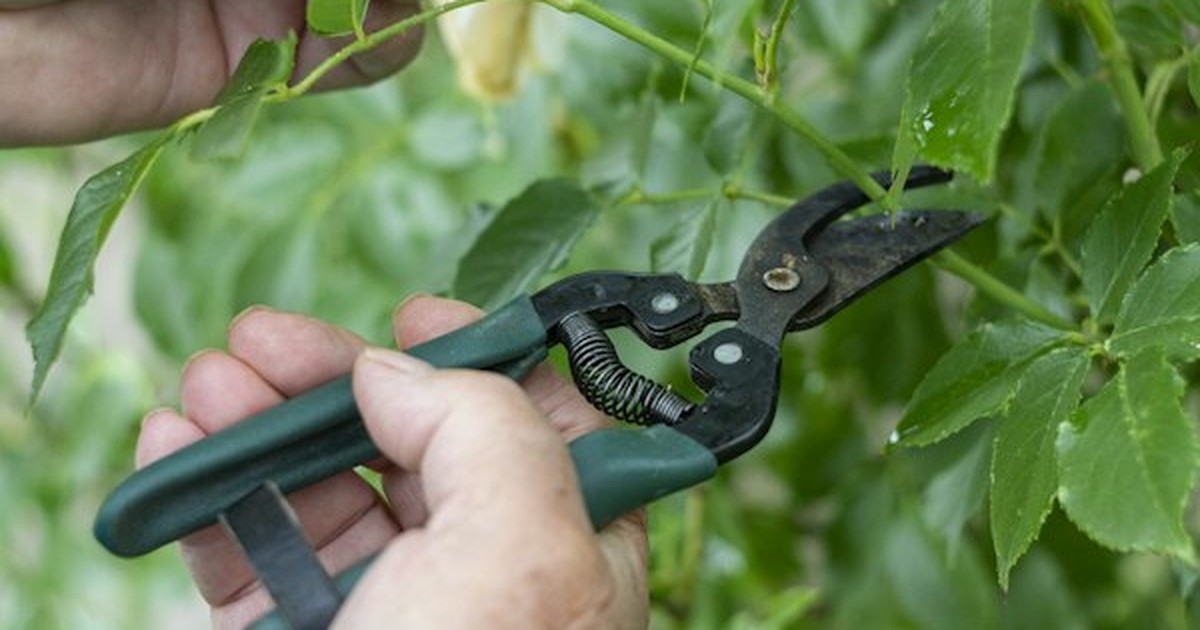
Cultivating lush, vibrant indoor greenery requires more than regular watering and balanced fertilizer; it demands a clear understanding of plant apical growth dynamics. Utilizing an intentional houseplant pruning guide empowers indoor gardeners to transform leggy stems into compact, flourishing specimens while multiplying their plant collection through vegetative propagation. Far from harming plants, deliberate pruning redirects hormonal energy toward dormant growth points, invigorating the entire vascular architecture.
Whether tending to vining pothos, woody ficus trees, or cascading philodendrons, seasonal pruning mimics natural disturbances that outdoor species encounter in tropical understories. In the artificial microclimate of a home, directional light and shorter winter days prompt stems to stretch toward windows. Mastering selective trimming restores structural balance and ensures long-term vitality across your indoor collection.
The Botanical Science of Apical Dominance
To prune with surgical confidence, one must understand how plants regulate branching architecture. The terminal shoot tip of an actively growing stem produces a steady stream of auxin, a hormone that travels downward through vascular cambium tissues. High concentrations of auxin actively inhibit the development of lateral axillary buds situated below the shoot apex—a botanical phenomenon known as apical dominance.
When you sever the terminal tip of a stem, you abruptly halt this downward auxin suppression. In response, root systems pump cytokinin hormones upward into dormant axillary nodes. Within days to weeks, these awakening nodes burst into two or more vigorous lateral branches. What was once a single, scraggly vine divides into a multi-stemmed, bushy canopy, doubling the leaf surface area capable of capturing ambient indoor light.
Essential Pruning Tools and Sterilization Standards
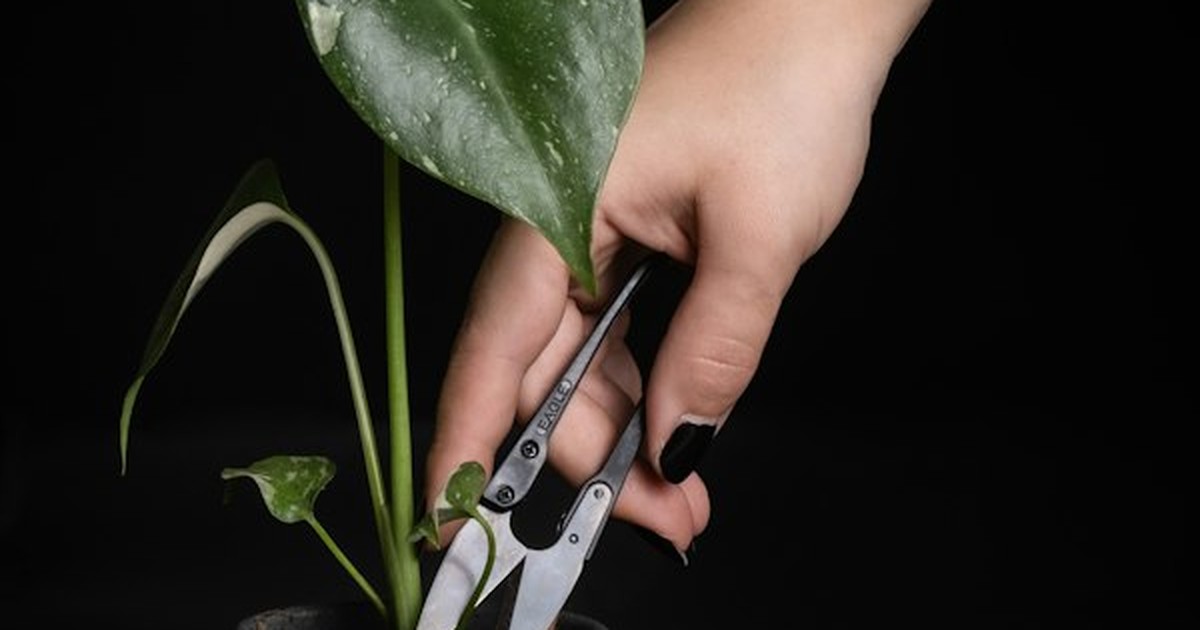
Making jagged, crushed cuts with blunt kitchen scissors introduces opportunistic fungal pathogens like Botrytis and bacterial soft rot directly into open plant wounds. Invest in dedicated bypass pruning shears with precision carbon steel blades. Bypass blades slide past one another like scissors, creating a smooth, shear cut that seals rapidly, unlike anvil pruners which crush tender stem fibers against a flat base.
Strict tool sanitation is non-negotiable. Before moving from one plant to another, wipe blade surfaces with a 70 percent isopropyl alcohol pad. Never prune foliage immediately after watering when cellular turgor pressure is high and open stomata facilitate bacterial transmission. Prune during mid-morning hours on bright, clear days when plant circulation is active and cut surfaces can dry cleanly within hours.
Executing Anatomically Correct Nodal Cuts
Locating the exact point of severance dictates whether a stem heals cleanly or experiences localized dieback. Examine the stem to identify the node—the swollen joint or ring where leaves, petioles, and adventitious root initials emerge. The smooth span between two nodes is termed the internode.
Always make your cut approximately one-quarter of an inch above a healthy outward-facing node, angled at 45 degrees away from the bud. Cutting too close to the node risks desiccating the delicate axillary bud tissue. Conversely, leaving a long internodal tail invites fungal decay, as non-vascularized stub tissue dies and rots back down to the node. An angled cut allows condensation to roll harmlessly off the wound surface rather than pooling on the exposed cut face.
Converting Pruned Cuttings into Rooted Plants
The beauty of intentional pruning is that healthy trimmings need never enter the compost bin. Every severed stem containing at least one viable node and two healthy leaves possesses the genetic blueprint to become an independent plant. This process of clonal propagation preserves the exact cultivar traits of the parent specimen.
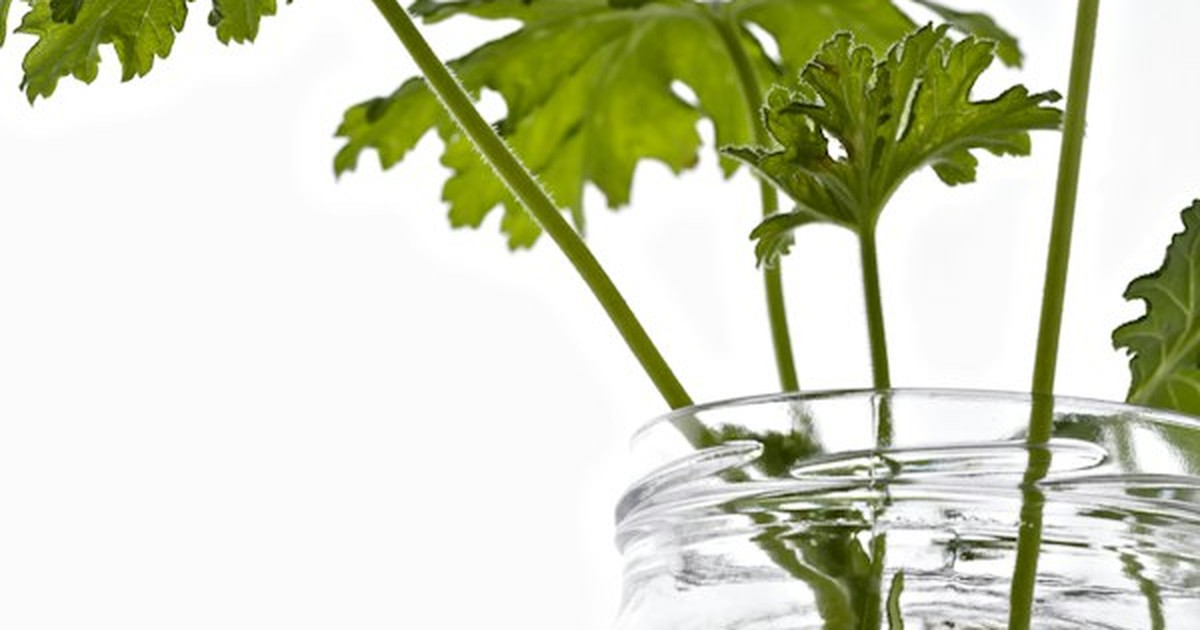
Strip lower leaves from the basal end of the cutting to expose two to three nodes, leaving two upper leaves intact to generate photosynthetic energy. Submerge the exposed nodes into clean, room-temperature filtered water inside clear glass vessels. Position the container in bright, indirect light away from harsh direct sun rays. Replace the water every five to seven days to replenish dissolved oxygen levels and discourage algal biofilm formation.
Once adventitious water roots reach two inches in length, transfer the cuttings into a well-draining potting medium. To guarantee immediate root establishment without transplant shock, utilize the porous potting recipe outlined in our comprehensive DIY indoor aroid soil mix recipe. Furthermore, grouping established specimens together improves ambient humidity, complementing the air-purifying selections explored in our overview of the best low-light houseplants for clean indoor air.

Pruning Calendar and Growth Strategy Comparison
Different houseplant families respond distinctly to mechanical pruning. Align your intervention with seasonal circadian rhythms to avoid unnecessary stress:
| Plant Classification | Primary Pruning Season | Recommended Pruning Style | Propagation Medium |
|---|---|---|---|
| Aroids (Monstera, Pothos, Philodendron) | Early Spring to Mid-Summer | Nodal tip cutting and internode reduction | Water jar or coarse sphagnum moss |
| Woody Ficus (Lyrata, Elastica, Benjamina) | Late Spring during active flush | Apex notching and terminal shoot pinching | Perlite-vermiculite mix with rooting hormone |
| Trailing Succulents (String of Pearls, Hearts) | Spring to Early Autumn | Stem tip haircutting at soil level | Dry gritty sand-perlite top dressing |
| Herbaceous Foliage (Calathea, Maranta) | Anytime as needed | Basal crown thinning; remove yellowing petioles | Division at rhizome root level |
Peer-reviewed horticultural research published by Oregon State University Extension Service underscores that pruning during active photosynthetic cycles maximizes carbohydrate reserves, accelerating callus formation and vegetative renewal.
Five-Step Seasonal Maintenance Walkthrough
- Hydrate in Advance: Water your plant thoroughly the day before pruning so tissues are fully turgid and cellular recovery proceeds smoothly.
- Inspect Overall Form: Step back four feet to evaluate silhouette, bare leggy sections, and branches blocking inner light penetration.
- Sterilize Blades: Clean your bypass shears thoroughly with isopropyl alcohol between every plant pruning session.
- Remove the Three Ds: First eliminate dead, damaged, or diseased foliage right at the basal attachment point.
- Pinch Terminal Tips: Snip the leading tip of leggy branches one-quarter inch above an outward-pointing node to spark vigorous twin lateral shoots.
Frequently Asked Questions
Will pruning my houseplant stunt its overall growth rate?
No. While severe defoliation of more than 30 percent can temporarily slow growth, light, strategic seasonal pruning actually accelerates long-term vigor. Removing non-productive lower leaves frees up metabolic nutrients for robust new foliage and deeper root development.
What should I do if a severed cut exudes milky white sap?
Species in the Euphorbiaceae and Moraceae families exude milky latex sap containing mild dermal irritants. Wear protective gloves, dab the weeping cut gently with an absorbent paper towel, and sprinkle ground cinnamon over the cut to act as a natural antifungal cauterizing agent.
Can I propagate cuttings in potting soil instead of water?
Yes. Soil propagation eliminates the transition phase from water roots to terrestrial roots. Dip the cut node in organic rooting hormone powder, insert into pre-moistened perlite and peat, and enclose under a clear plastic humidity dome until new leaf buds emerge.
Conclusion
Equipping yourself with a reliable houseplant pruning guide transforms indoor gardening from passive observation into active horticultural artistry. By respecting nodal anatomy, keeping cutting blades surgically sterile, and propagating healthy excess growth, you cultivate dense, radiant canopies that bring enduring natural beauty into every room of your living space.