


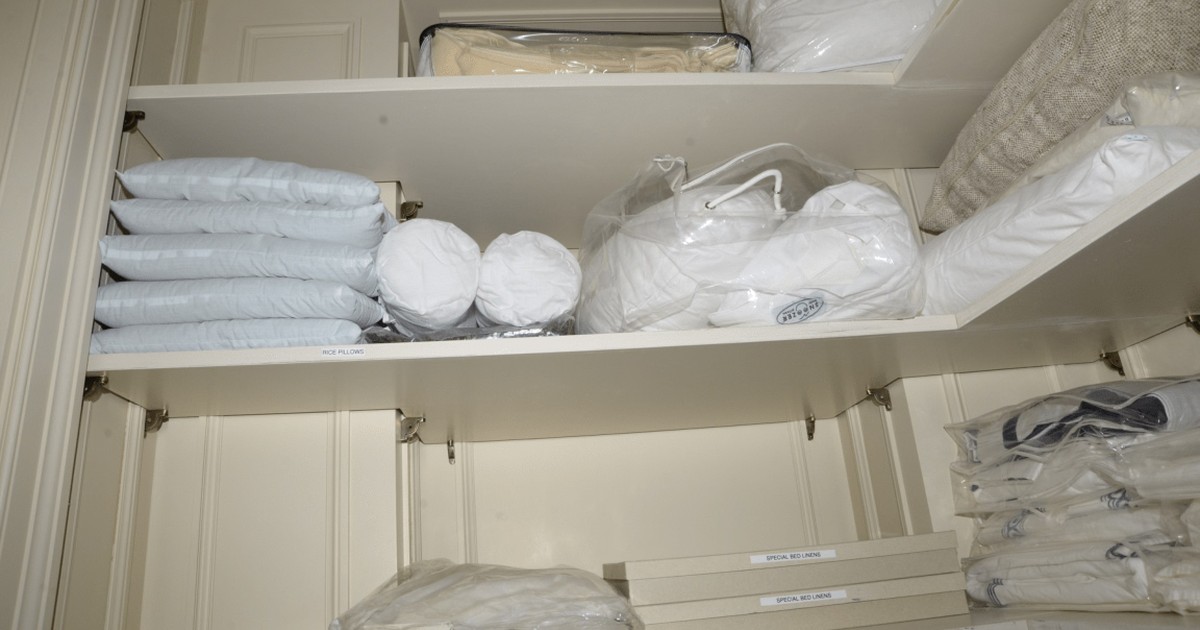
Executing an efficient linen closet organization system transforms one of the most frustrating spaces into a bastion of household functionality. Without a deliberate plan, linen closets quickly succumb to compression and disorder. Fitted sheets collapse into rumpled heaps, bath sheets tumble off wire shelving, and seasonal duvets accumulate musty odors. Establishing an intuitive organizational system restores calm and protects delicate textile investments from premature fiber degradation.
A functional linen closet does not require costly built-ins. Lasting success stems from understanding fabric ergonomics, establishing uniform folding profiles, using dividers, and maintaining stable moisture barriers. With systematic care, family members locate spare linens in seconds without disturbing adjacent stacks.
Establishing Shelf Architecture and Access Zones
Before folding a single sheet, examine the internal geometry of your closet. Builder-grade linen closets frequently feature deep shelves spaced 16 to 18 inches apart. While generous initially, deep shelving creates dead volume toward the rear and encourages towering, unstable stacks that inevitably topple forward.
Map your shelving zones according to access frequency. Reserve the most accessible waist-to-eye-level shelves for your weekly core inventory: daily bath sheets, hand towels, and primary bed sets. Allocate uppermost shelves for bulky seasonal comforters, guest bedding, and extra down pillows. Meanwhile, the lowest shelf tier functions best for heavy storage bins, extra paper goods, or portable garment steamers.
The Physics of Uniform Folding Architecture
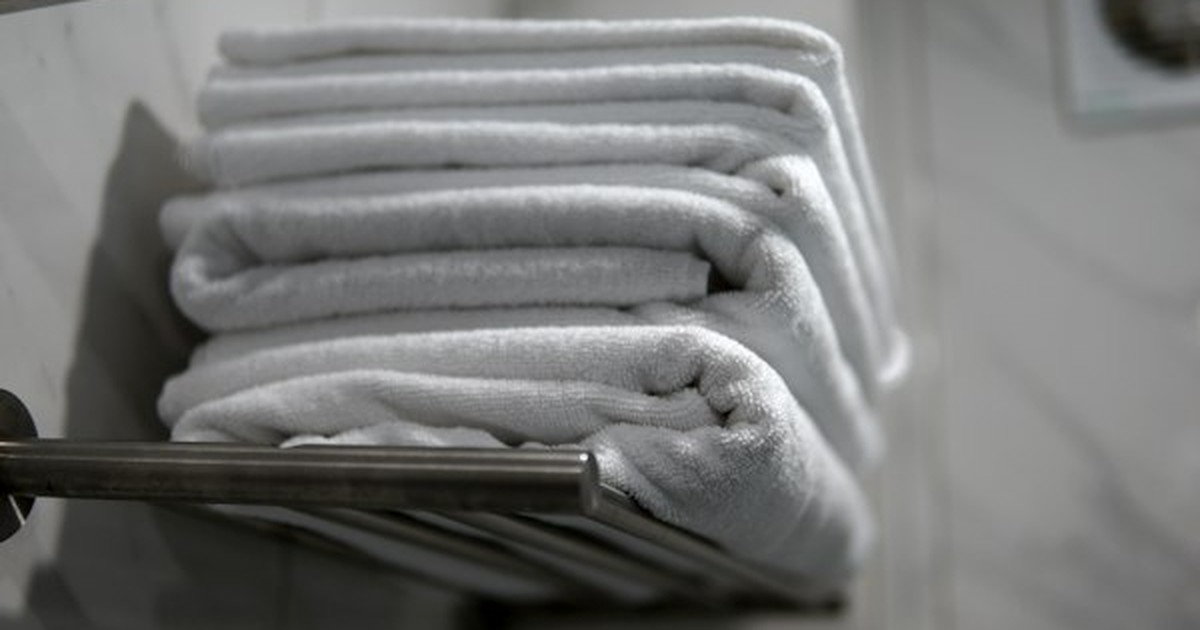
The foundation of lasting linen closet organization lies in uniform folding geometry. Irregularly folded items create uneven pressure points that destabilize vertical piles. For bath towels, abandon loose halves in favor of the commercial hospitality tri-fold method. Lay the towel flat, smooth all creases, fold lengthwise into thirds, and then fold in half and half again. This technique encases loose edges internally, presenting a crisp, rounded spine facing outward on the shelf.
Fitted sheets represent the primary obstacle for most homeowners. To conquer elasticized corners, place your hands inside adjacent corners, tuck the right corner over the left, repeat for the bottom edge, and merge all four corners into a single nested point. Lay the resulting rectangle flat, fold into equal thirds, and press out trapped air. For ultimate simplicity, store complete sheet ensembles inside one of their matching pillowcases. This bundle method keeps fitted sheets, flat sheets, and spare pillowcases unified in a compact, modular package.
Fabric Shelf Dividers and Modular Storage Bins
Even perfectly folded stacks can tilt sideways over time as items are retrieved. Installing rigid acrylic or coated-wire shelf dividers creates distinct structural channels that prevent horizontal sprawl. Space dividers 10 to 12 inches apart to accommodate standard towel dimensions without compression.
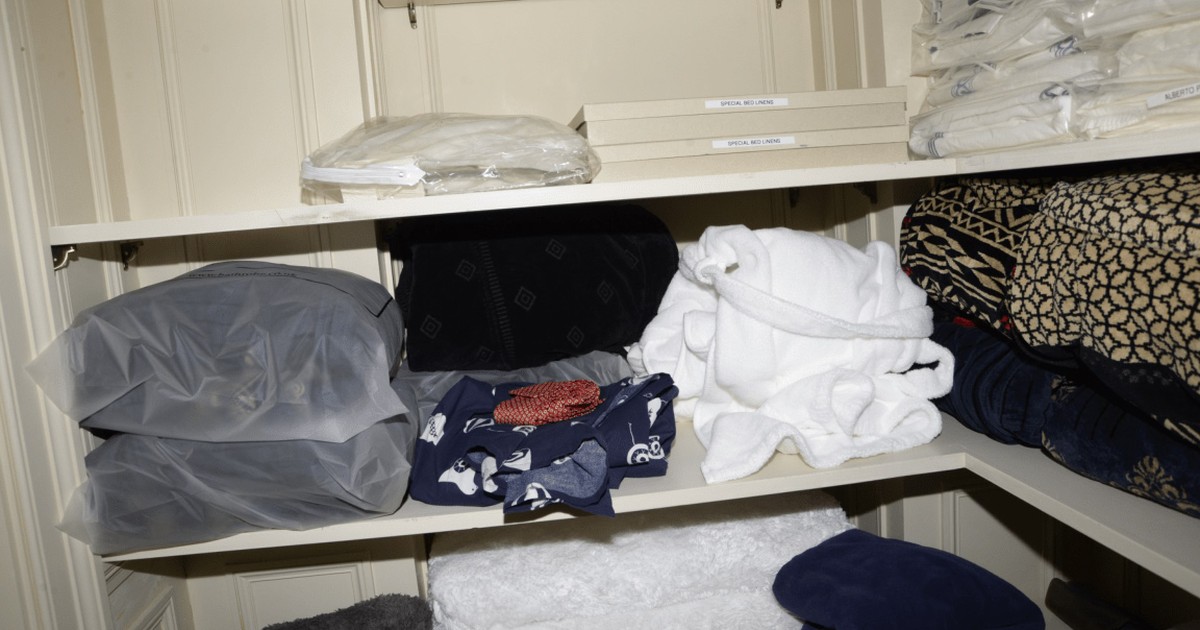
For small articles like washcloths, face towels, and pillow protectors, integrate breathable fabric storage bins with front pull handles. Never store natural fibers like linen or Egyptian cotton inside airtight plastic tubs. Trapped off-gassing and residual moisture foster anaerobic mildew and cause irreversible yellowing. Opt instead for unbleached cotton storage bags or open wire baskets lined with breathable canvas.
When curating harmonious living spaces, consistent design details elevate everyday routines. Just as we explored in our guide on creating an intentional morning mindfulness nook, organizing household zones with tactile simplicity reduces daily friction. Similarly, maintaining clean, conditioned shelving surfaces mirrors the preventative care detailed in our tutorial on restoring solid hardwood floors without refinishing.
Textile Preservation and Humidity Defense Strategies
Linen closets positioned adjacent to master bathrooms face continual exposure to warm, humid air spikes. High relative humidity above 60 percent creates prime conditions for dust mites and musty mildew spores. Incorporating natural humidity defense preserves fabric integrity and keeps stored linens smelling fresh.
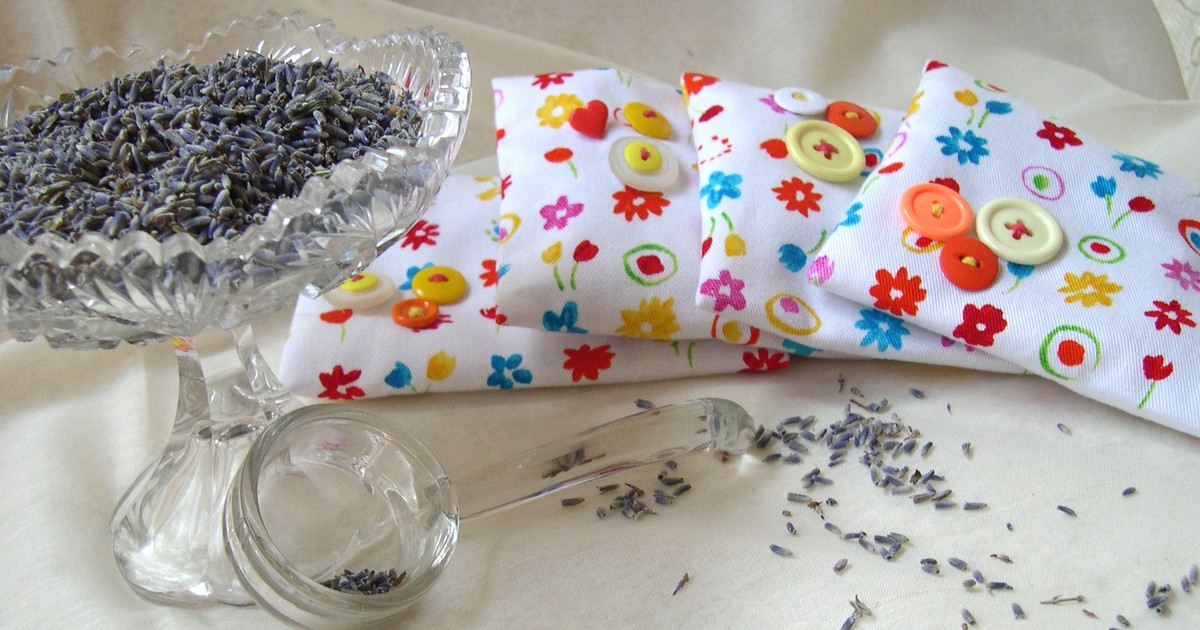
Rather than using chemical deodorizers or synthetic fragranced sprays, place refillable calcium chloride moisture absorbers on the closet floor during humid summer months. Enhance upper shelves with breathable cotton sachets filled with culinary-grade dried lavender flowers, cedar shavings, and dried whole cloves. Lavender and cedar contain natural terpenes that gently repel silverfish and fabric moths without depositing synthetic residues on luxury bed sheets.
Linen Storage Materials Comparison Matrix
Selecting appropriate storage containers prevents long-term textile degradation. Review comparative performance characteristics before purchasing organization accessories:
| Storage Vessel Material | Breathability Rating | Pest Protection | Recommended Textile Contents |
|---|---|---|---|
| Unbleached 100% Cotton Bins | Optimal (High Airflow) | Moderate (Dust Shield) | Down comforters, pure linen sheet sets, wool blankets |
| Heavy Canvas Baskets | Excellent | Moderate | Daily bath sheets, hand towels, guest washcloths |
| Sealed Plastic Storage Totes | Zero (Risk of Mildew) | Complete | Only synthetic utility tarps; never natural heirloom fibers |
| Powder-Coated Metal Baskets | Maximum (Open Mesh) | Low (Requires Liners) | Bulk washcloth rolls, cleaning cloths, bath accessories |
According to textile preservation standards from leading institutions such as the Textile Museum Conservation Guidelines, natural plant and animal fibers must exchange ambient air to maintain elasticity and prevent brittle fiber fracture over extended storage seasons.
Step-by-Step Closet Reset Protocol
- Complete Evacuation: Remove every item from the closet onto an open bed. Discard frayed, bleach-damaged, or stiff utility cloths.
- Sanitize Interior Shelving: Vacuum shelf corners to eradicate dust and lint. Wipe surfaces with a 1:1 solution of warm water and distilled white vinegar, allowing shelves to dry completely.
- Categorize by Function: Group inventory into distinct piles: daily bath towels, guest linens, sheet sets organized by mattress size, and seasonal heavy bedding.
- Install Rigid Dividers: Secure vertical acrylic dividers at 10-inch intervals across eye-level shelves to anchor primary towel stacks.
- Implement the Bundle Method: Fold matching fitted sheets, flat sheets, and one pillowcase neatly inside the second pillowcase before loading them onto the shelf.
- Introduce Aromatic Moisture Barriers: Hang two lavender-cedar sachets from closet wall hooks and place a compact desiccant tub on the baseboard.
Frequently Asked Questions
How many sets of sheets and towels should a household keep?
A proven minimalist standard is the “Rule of Three” per active bed and resident: one set in active use, one clean set stored in the linen closet ready for immediate changeover, and one set rotating through the laundry hamper. This eliminates overstuffed shelves while ensuring you never run short.
How do I prevent folded towels from developing a stale, musty smell?
Stale towel odors usually stem from excess liquid fabric softener, which coats cotton loops in hydrophobic silicone wax that traps bacterial oils. Strip towels every two months by washing them in hot water with one cup of distilled white vinegar instead of detergent, followed by a hot rinse with baking soda.
Should I store extra bed pillows in vacuum compression bags?
Avoid storing feather or down-filled pillows in vacuum compression bags for longer than three months. Prolonged compression breaks delicate feather quills and permanently damages down loft elasticity. Instead, store down pillows loosely in breathable zippered cotton protectors on top shelves.
Conclusion
Achieving an orderly, sustainable linen closet organization setup is an attainable home improvement that provides daily peace of mind. By respecting fabric breathability, implementing uniform tri-fold geometry, utilizing rigid shelf dividers, and deploying natural botanical moisture barriers, your household linens will stay fresh, fragrant, and immediately accessible for years to come.