


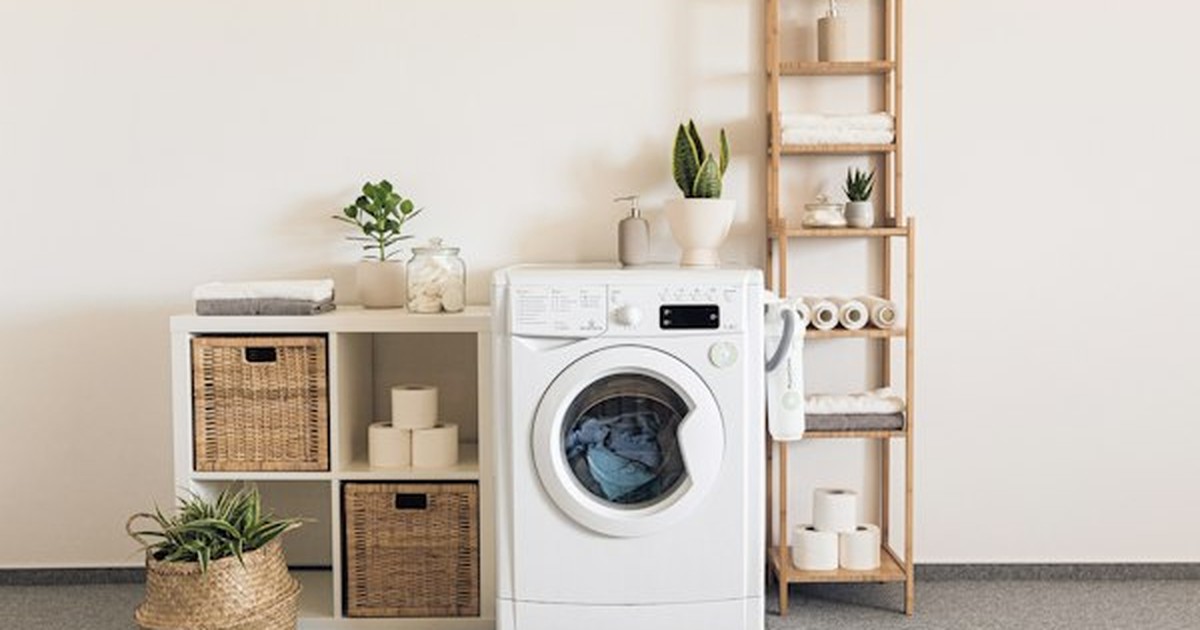
Embracing a comprehensive natural laundry care routine is an impactful shift for personal health and environmental sustainability. Conventional laundry detergents, fabric softeners, and dryer sheets carry artificial fragrances, optical brighteners, petroleum surfactants, and quaternary ammonium compounds that linger on fabric fibers and enter aquatic waterways.
Fortunately, transitioning to non-toxic laundry practices does not require sacrificing clean, vibrant, fresh-smelling clothes. By harnessing the biochemical power of botanical saponins, mineral-dissolving acetic acid, and static-eliminating pure wool dryer balls, you achieve superior laundering performance that extends fabric lifespan while safeguarding groundwater purity.
The Chemistry of Plant-Based Saponins and Soap Nuts
At the center of botanical laundering sits the soapberry, commonly known as the soap nut (Sapindus mukorossi). Native to northern India and Nepal, the dried husks of these tree berries contain extraordinarily high concentrations of natural saponins—botanical glycosides that function as nature’s original surfactants.
When submerged in water during a washing machine agitation cycle, soapberry husks release saponins into the wash liquor. Saponin molecules possess both hydrophobic and hydrophilic ends. They lower the surface tension of water, allowing it to penetrate into cotton fibers to encapsulate body oils, food stains, and surface dirt, suspending them until the rinse cycle flushes them away cleanly.
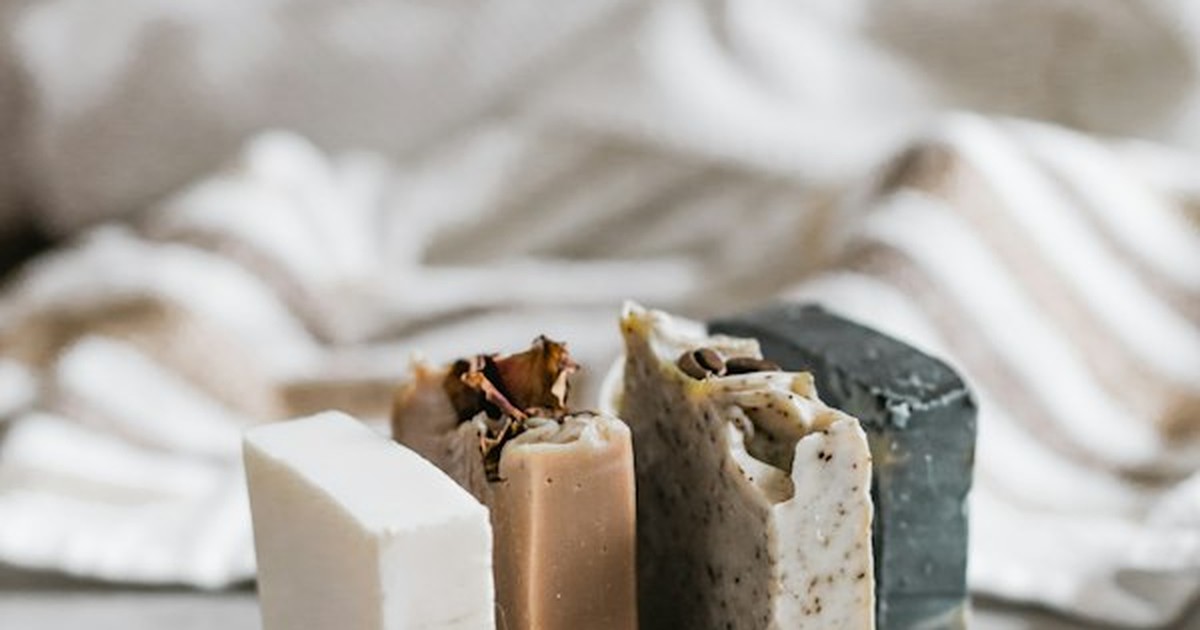
Unlike commercial liquid detergents that rely on synthetic foaming agents to produce artificial lather, saponins clean with minimal froth. This low-suds performance makes soap nuts exceptionally well-suited for high-efficiency (HE) front-loading washing machines, which can suffer drum seal damage and sensor malfunctions from excess detergent foam.
Optimizing Cold-Water Wash Cycles
Modern botanical laundry principles emphasize cold-water washing. Approximately 75 to 90 percent of the electrical energy consumed during a residential laundry cycle is expended exclusively on heating wash water. Switching to cold water dramatically cuts household utility bills and carbon footprints while providing distinct fabric preservation benefits.
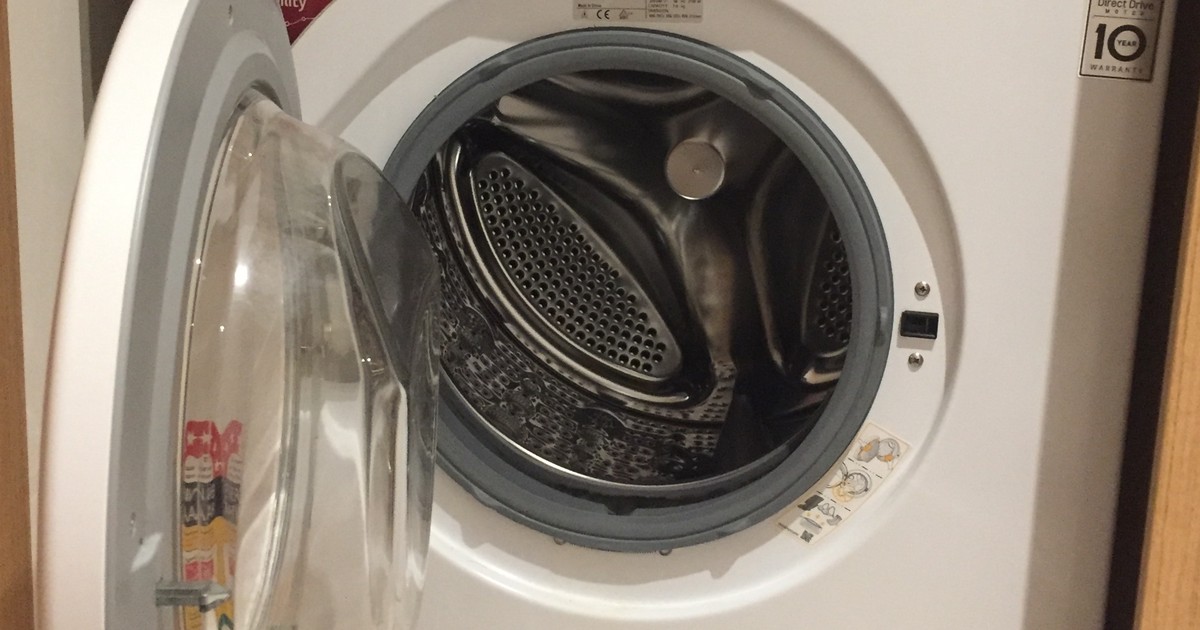
Hot water weakens natural organic fibers over time, contributing to microscopic fibril breakage, shrinkage, and premature color fading. Cold water preserves the tensile strength of organic linen, bamboo, and combed cotton. When utilizing soap nuts in cold water, simply steep four to five berry husks in a cup of boiling water for five minutes prior to loading, and then pour the concentrated saponin liquid directly into the detergent dispenser drawer.
Living an environmentally conscious lifestyle connects every corner of the home into a unified closed loop. Just as we explored in our guide on reducing microplastics in residential water systems, using natural non-toxic detergents minimizes synthetic chemical runoff. Furthermore, spent organic soap nuts can be tossed directly into your home compost system, supporting the odor-free food recycling methods detailed in our tutorial on apartment indoor composting without odors.
Distilled White Vinegar for Softening and Mineral Stripping
Commercial liquid fabric softeners achieve artificial softness by coating textile fibers with a thin film of hydrophobic tallow compounds and synthetic silicone waxes. Over time, this coating builds up, turning bath towels stiff, reducing absorbency, and locking sour sweat bacteria inside athletic garments.
The non-toxic antidote is common distilled white vinegar containing 5 percent acetic acid. Pour half a cup of white vinegar into the automatic fabric softener compartment of your washing machine. During the final rinse cycle, the mild acid neutralizes alkaline detergent residues, strips away hard water mineral deposits, and dissolves lingering sweat odors. When fabrics emerge from the dryer, the subtle vinegar aroma dissipates completely, leaving behind clean, naturally plush cotton fibers.
Wool Dryer Balls and Solar Drying Synergy
Chemical dryer sheets present significant indoor air quality hazards, emitting volatile organic compounds like acetaldehyde through exterior dryer exhaust vents. Replace single-use dryer sheets permanently with pure, chemical-free New Zealand wool dryer balls.
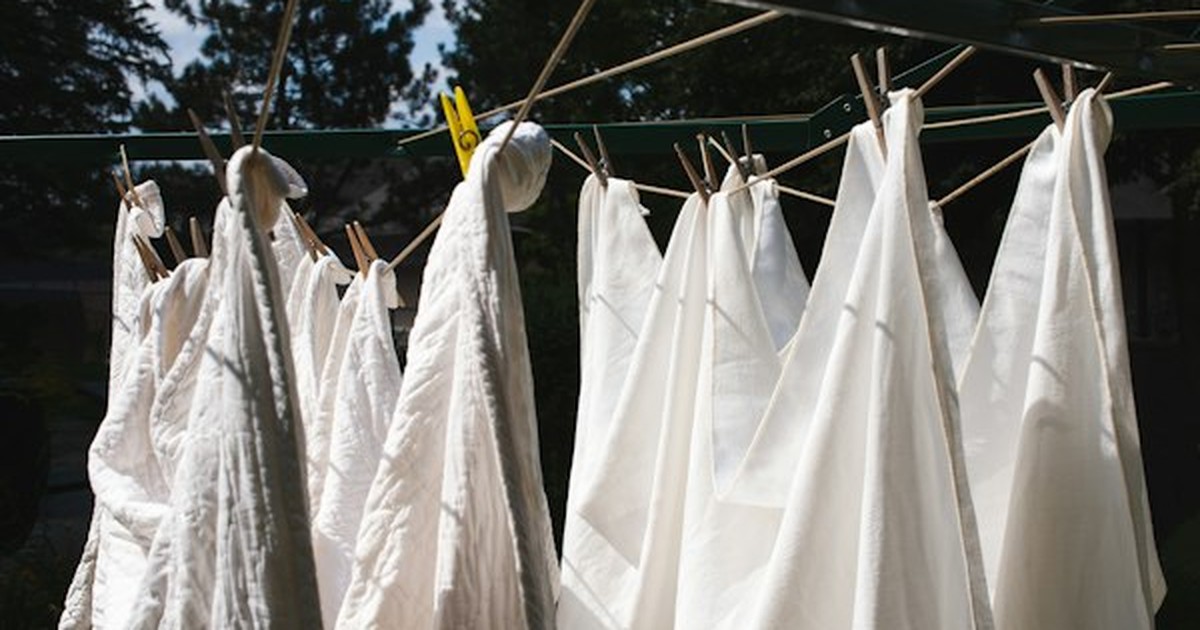
Tossing three to four wool balls into the tumble dryer separates damp garments, creating warm air channels that accelerate moisture evaporation. This reduces dryer cycle times by 20 to 30 percent. As the wool balls bounce against fabric weaves, they naturally soften fibers and neutralize static cling without depositing chemical coatings.
Whenever weather permits, harness solar line drying. Outdoor sunlight delivers natural ultraviolet radiation that oxidizes organic stains, kills surface microbes, and brightens white cottons naturally without chlorine bleach.
Laundering Method Ecological Performance Comparison
Compare the environmental footprint and textile longevity impacts of conventional vs. natural laundry systems:
| Laundering Strategy | Biodegradability | Towel Absorbency Impact | Aquatic Toxicity Hazard |
|---|---|---|---|
| Organic Soap Nuts + Vinegar Rinse | 100% Fully Compostable | Maintains Maximum Absorbency | Zero Environmental Toxicity |
| Conventional Synthetic Pod Detergents | Poor (Microplastic Film Residuals) | Gradual Resin Wax Buildup | High (Surfactant Algal Bloom Risks) |
| Commercial Liquid Fabric Softeners | Non-Biodegradable Silicones | Severe Reduction (Up to 50% loss) | High (Quaternary Ammonium Compounds) |
| Wool Dryer Balls (1,000+ Cycles) | Zero Waste (Biodegradable Wool) | Neutral (Zero Coating Added) | Zero Impact |
According to consumer chemical safety benchmarks established by the EPA Safer Choice Program, choosing plant-based, fragrance-free laundry formulas significantly improves indoor air quality while preventing hazardous endocrine disruptors from entering public water supplies.
Six-Step Non-Toxic Laundry Protocol
- Prepare Saponin Liquid: Place five dried soap nut halves into a small muslin bag. For cold-water loads, steep in boiling water for five minutes before use.
- Measure Vinegar Softener: Pour one-half cup of distilled white vinegar into the designated fabric softener tray.
- Select Cold Cycle: Run your machine on a cold water wash cycle with a high-speed spin extraction to minimize dryer runtime.
- Add Stain Stripper When Needed: For stubborn organic stains, pretreat with a paste of baking soda and 3 percent hydrogen peroxide.
- Load Wool Dryer Balls: Transfer clean damp laundry into the dryer with four wool dryer balls. Tumble on medium or low heat.
- Hang or Line Dry Linens: Whenever possible, air-dry bed sheets and towels outdoors to benefit from natural solar bleaching.
Frequently Asked Questions
Can soap nuts clean heavily soiled work clothes or greasy fabrics?
Soap nuts clean normal to moderately soiled daily laundry effectively. For heavy grease or grass stains, supplement soap nuts with two tablespoons of sodium percarbonate (oxygen bleach powder) or wash with an unscented castile soap spot treatment.
Will white vinegar damage the rubber seals on my washing machine?
Diluted white vinegar added to the softener compartment is flushed through with several gallons of rinse water, reducing the acetic acid concentration to well below 0.5 percent. This mild concentration is completely harmless to rubber gaskets and prevents mildew buildup on door seals.
How many times can I reuse a single pouch of soap nuts?
A single muslin bag containing four to five soap nut halves can be reused for four to six consecutive wash cycles. You will know they are spent when the berry shells turn soft and pale tan, at which point they can be placed into your garden compost bin.
Conclusion
Adopting a natural laundry care regimen is a simple yet transformative household commitment. By replacing synthetic petrochemical detergents with botanical soap nuts, utilizing distilled vinegar to strip mineral buildup, and drying with renewable wool dryer balls, you protect your family’s skin health, extend the beauty of your textiles, and help preserve our precious global waterways.