


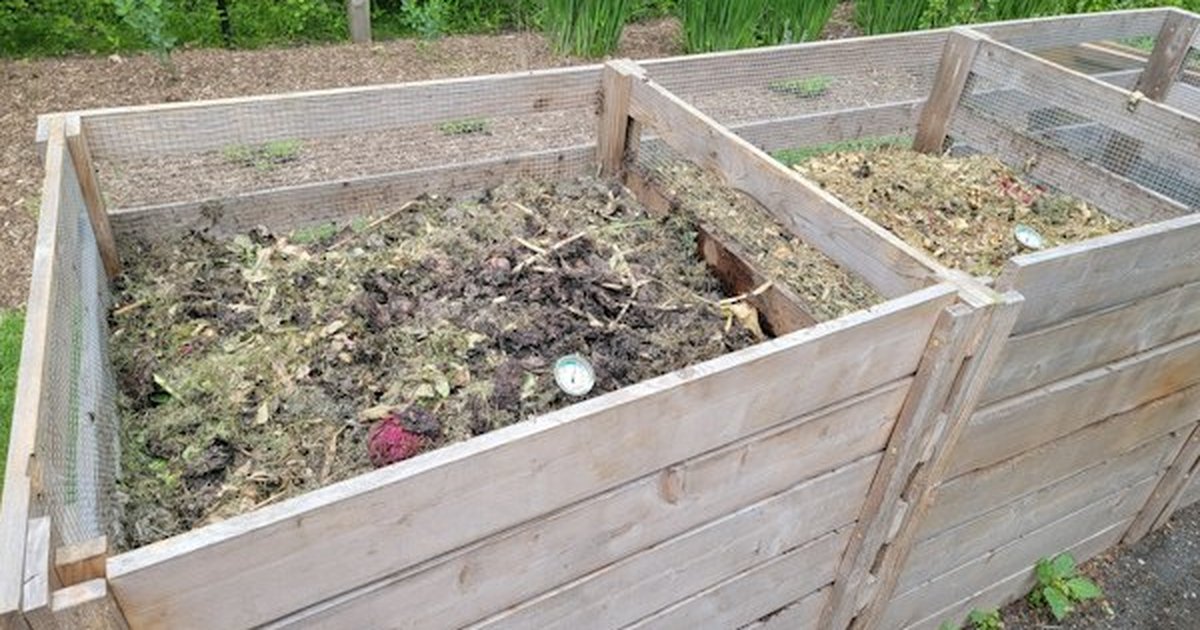
Composting in an apartment often evokes immediate anxiety: rotting food odors, swarms of fruit flies, and unsightly buckets occupying scarce floor space. Yet diversion of household organic waste is completely achievable in a compact city home without foul smells or pests. By adopting the precise biochemical mechanics of anaerobic Bokashi fermentation or managed vermicomposting, you can transform kitchen scraps into rich soil amendments completely odor-free.
Every year, the average residential kitchen produces hundreds of pounds of food scraps. In traditional municipal landfills, buried organic matter decomposes anaerobically without oxygen, producing methane—a greenhouse gas significantly more potent than carbon dioxide. According to the U.S. Environmental Protection Agency (EPA) Composting at Home Guide, diverting kitchen trimmings into domestic compost cycles drastically reduces municipal waste volume while regenerating depleted domestic potting soils.
1. The Science of Odor Prevention: Fermentation vs. Putrefaction
To compost successfully indoors, you must understand why kitchen scraps smell in the first place. Foul odors result from uncontrolled anaerobic putrefaction, where anaerobic bacteria consume moist, nitrogen-rich organic matter without sufficient carbon or beneficial microorganisms, producing foul hydrogen sulfide and ammonia gases.
True indoor composting eliminates putrefaction through two distinct, proven methods:
- Bokashi Fermentation: An airtight, anaerobic pickling process powered by Effective Microorganisms (Lactobacillus, yeasts, and photosynthetic bacteria) that rapidly ferments scraps, yielding a sweet, tangy cider-like scent instead of rot.
- Vermicomposting: An aerobic system driven by specialized red wiggler worms (Eisenia fetida) in high-carbon bedding, consuming scraps before odor-causing microbes can establish.

2. The Apartment Bokashi System: Setup and Protocol
Bokashi is the undisputed champion for small apartments because the bucket remains completely sealed and accepts items that traditional compost piles cannot handle, including dairy crusts, small cooked food scraps, and citrus peels.
Your setup requires a five-gallon airtight bucket equipped with a false bottom drain grate and a spigot. Every morning or evening, chop your kitchen scraps into one-inch pieces; smaller surface areas accelerate microbial penetration. Deposit the scraps into the bucket, press them down firmly with a tamper to expel trapped oxygen pockets, and sprinkle one to two tablespoons of inoculated Bokashi bran over each layer.
Seal the airtight lid immediately. Every three to four days, draw off the liquid leachate (“Bokashi tea”) from the spigot. This liquid is teeming with beneficial microbes and amino acids. Dilute it at a 1:100 ratio with dechlorinated water to fertilize your potted plants, or pour it undiluted down sinks to clear biofilm from kitchen drain traps naturally.
3. Vermicomposting in Small Spaces: Red Wiggler Management
If you prefer an aerobic system that yields finished, ready-to-use worm castings directly within your apartment, vermicomposting is the gold standard. Worm bins thrive under a kitchen sink, inside a hallway closet, or on a sheltered utility shelf.
Do not use standard earthworms or nightcrawlers from the garden; they burrow deep and quickly perish in shallow bins. Use Red Wigglers (Eisenia fetida), which naturally thrive in top-layer decomposing leaf litter. Detailed horticultural research from the University of Florida IFAS Extension on Vermicomposting Ecology confirms that Red Wigglers consume half their body weight daily in decomposing organic matter when environmental moisture is maintained between 60% and 80%.
Prepare bedding by shredding non-glossy cardboard and newsprint into narrow strips, moistening them with water until they feel like a damp wrung-out sponge. Introduce one pound of worms (approximately 1,000 worms) to the bedding. Always bury food scraps under at least three inches of clean, damp cardboard bedding. This simple barrier prevents fruit flies from detecting the food source and guarantees an earthy forest scent.

4. Food Scrap Compatibility Blueprint
Consult this reference guide before adding organic scraps to your apartment compost systems:
| Scrap Category | Bokashi Bucket Suitability | Vermicomposting Suitability | Preparation & Safety Notes |
|---|---|---|---|
| Raw Fruit & Veggie Trimmings | Excellent | Excellent | Chop into 1-inch chunks; bury deep in worm bedding |
| Coffee Grounds & Paper Filters | Excellent | Excellent | Provides mild acidity and fine grit for worm digestion |
| Citrus Peels & Onions | Excellent | Strictly Avoid | Citrus oils and sulfur irritate sensitive worm skin |
| Cheese & Cooked Scraps | Good (Moderate amounts) | Avoid | Bokashi ferments dairy easily; worm bins turn sour |
| Oils, Fats, & Heavy Grease | Strictly Avoid | Strictly Avoid | Coats scraps and cuts off beneficial microbial oxygen |
5. Odor Troubleshooting and Preventative Maintenance
If your indoor composting system ever produces an unpleasant smell, it is signaling a specific imbalance in moisture, aeration, or inoculant ratio. Diagnosing the issue is straightforward:
Bokashi Smells Sour or Putrid: A healthy Bokashi bucket smells like pickled olives or apple cider vinegar. If it smells rotten, either the lid was not sealed airtight, liquid was left pooling at the bottom, or insufficient bran was added. Drain the leachate immediately, press out moisture, and add four generous tablespoons of fresh bran.
Worm Bin Smells Swampy: A healthy worm bin smells exactly like damp forest soil after rain. A sour or ammonia smell indicates anaerobic conditions caused by overfeeding or excessive moisture. Stop feeding for seven days, gently fluff the bedding to restore airflow, and mix in two large handfuls of dry, shredded cardboard to absorb standing moisture.
To integrate your organic waste management with a broader sustainable lifestyle, combine this practice with our practical blueprint on zero-waste kitchen habits that cut waste in half, and nourish your green cuttings with our step-by-step tutorial on water propagation for houseplants.
6. Discharging Fermented Bokashi Pre-Compost in the City
Once your Bokashi bucket fills to capacity, leave it sealed for fourteen days to complete fermentation. The fermented material will retain its physical shape but soften dramatically, with white beneficial mycelium often coating the surface.
Because Bokashi produces “pre-compost” rather than finished loam, it requires a brief soil contact step to break down completely. In an apartment, you can use a “soil factory”: a plastic storage tote half-filled with garden soil or spent potting mix. Dig a trench, dump the fermented contents, mix thoroughly with two parts soil, and cover with a three-inch cap of plain earth. Within two to three weeks, soil organisms completely digest the pre-compost into rich, dark loam with zero odor.
Adopting these structured composting systems elevates your home into a closed-loop living ecosystem, demonstrating that urban space constraints are never an obstacle to responsible environmental stewardship. By taking daily responsibility for your organic kitchen outputs, you protect municipal waterways, reduce landfill greenhouse emissions, and generate living biological nutrition for your own domestic plants.