



Tackling comprehensive under sink cabinet organization is widely recognized as one of the most rewarding yet challenging home improvement undertakings. Whether situated beneath a bustling kitchen apron sink or inside a compact bathroom vanity, under-sink enclosures are notoriously awkward spaces. Bulky curved P-traps, flexible water supply lines, electrical cords for garbage disposals, and recessed water filter housings bisect the usable volume, turning the cabinet floor into a jumbled catch-all for half-empty cleaning bottles, spare sponges, and tangled scrub brushes.
Without a structured organizational layout, leaks can proceed unnoticed beneath crowded boxes, rotting baseboard wood and fostering hidden mold colonies. Designing an ergonomic, waterproof under-sink storage system preserves your cabinetry investment, provides clear visibility for plumbing integrity, and saves significant time during daily household cleaning routines.
Pre-Installation Assessment and Plumbing Clearance
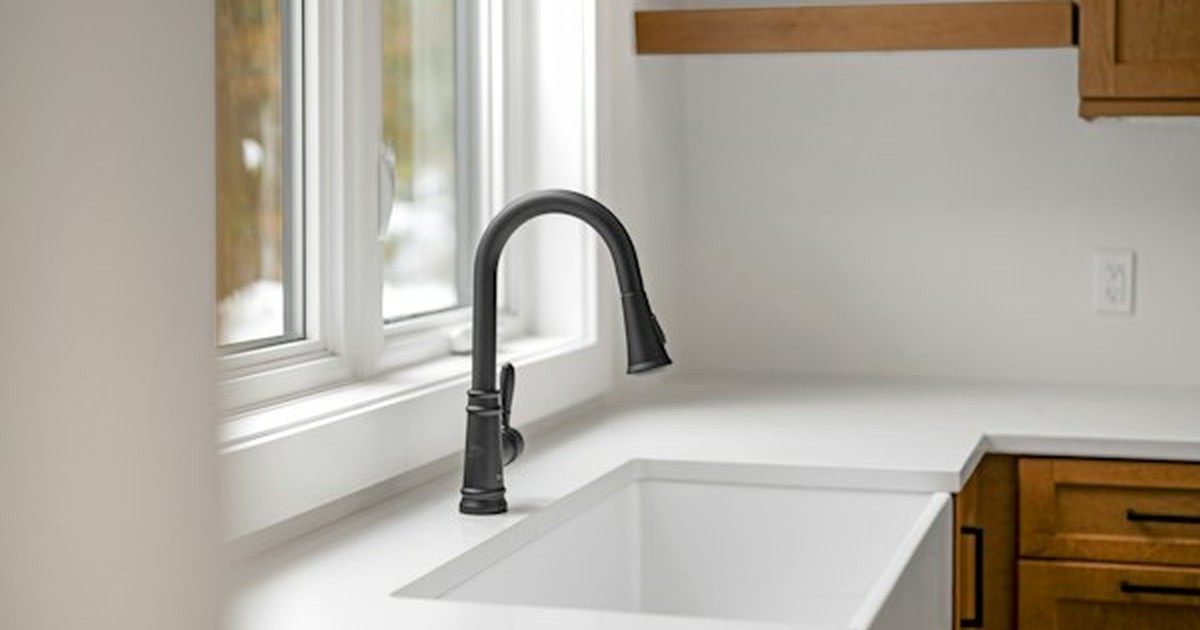
The cardinal error homeowners commit when organizing under-sink cavities is purchasing off-the-shelf storage racks before recording exact volumetric dimensions. Every sink basin installation is unique. Drain lines drop vertically from the basin strainer before curving into the water-sealed P-trap, while supply shut-off valves protrude horizontally from the back drywall.
To establish workable clearance dimensions, take four crucial measurements with a rigid steel tape measure: the total internal cabinet width, total depth from back wall to the front door frame, vertical clearance between the cabinet floor and the lowest plumbing elbow, and the lateral offset between the center drain pipe and the left/right cabinet walls. Documenting these parameters ensures that sliding pull-out organizers glide effortlessly without striking rigid PVC pipes or snagging braided steel supply lines.
Waterproofing the Cabinet Baseboard Foundation
Before introducing any racks or baskets, install an impenetrable defensive moisture barrier. Under-sink leaks from loose slip-joint nuts or worn faucet spray hoses are eventual certainties in residential plumbing. Standard particleboard cabinet floors absorb leaking water rapidly, swelling, delaminating, and harboring dangerous fungal colonies.
Avoid thin adhesive contact paper, which tears easily and allows moisture to seep underneath unsealed edges. Instead, invest in a heavy-duty, food-grade silicone under-sink drip mat featuring raised one-inch containment lips around all four perimeters. High-capacity silicone trays can safely hold up to three gallons of standing water during sudden drip failures, shielding your wood cabinetry while directing your attention immediately to the plumbing fault.
Implementing Tiered Slide-Out Storage Systems
Once your waterproof base is secured, address vertical volume utilization. Traditional deep cabinets force users to crouch and rummage blindly through shadowed back corners. Installing independent dual-tier sliding wire drawers restores ergonomic access, allowing the entire contents of the cabinet to glide smoothly forward into bright room light.
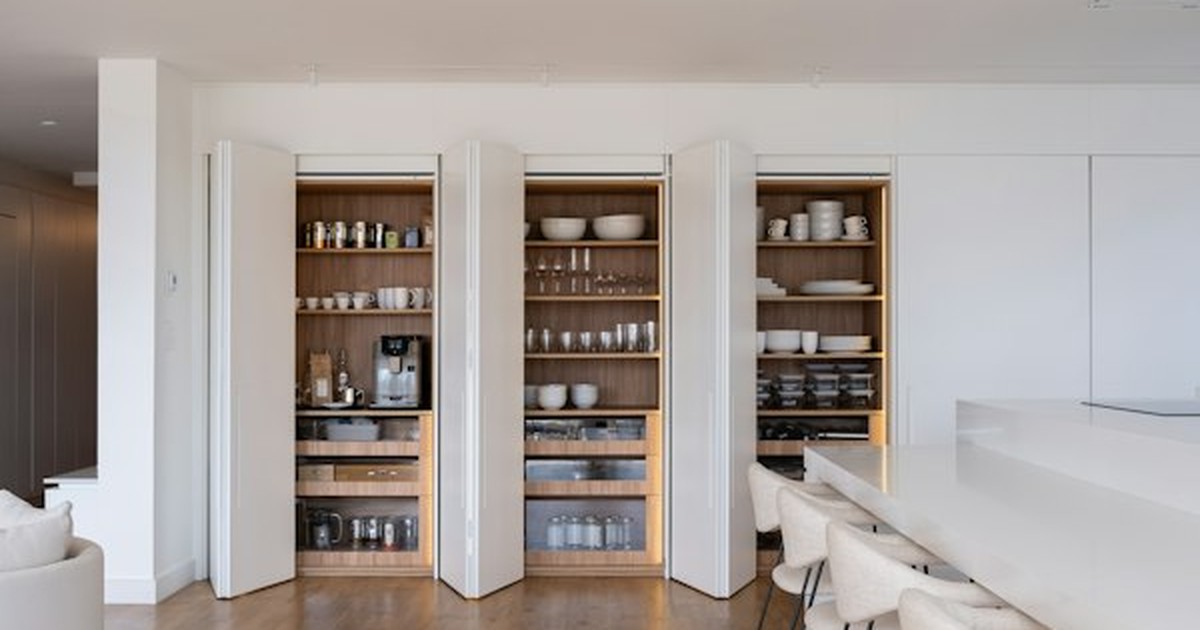
To navigate center-drop drain pipes, utilize L-shaped or stepped modular shelving units. These asymmetrical storage systems place narrow baskets on the upper tier adjacent to the sink basin, while offering expansive, deep baskets on the lower tier beneath the plumbing clearance plane. For wider kitchen cabinets, position two independent sliding towers on either side of the center P-trap, leaving a clear middle corridor for garbage disposal airflow and emergency shut-off valve access.
Constructing well-engineered modular storage systems shares core principles with other high-load home projects. If you enjoy precision installations, study our structural weight anchoring techniques in the DIY floating shelves drywall mounting guide. Similarly, securing loose appliance cords beneath sinks mirrors the best practices outlined in our comprehensive home office desk cable management guide.
Standardizing Cleaning Solutions and Modular Caddies
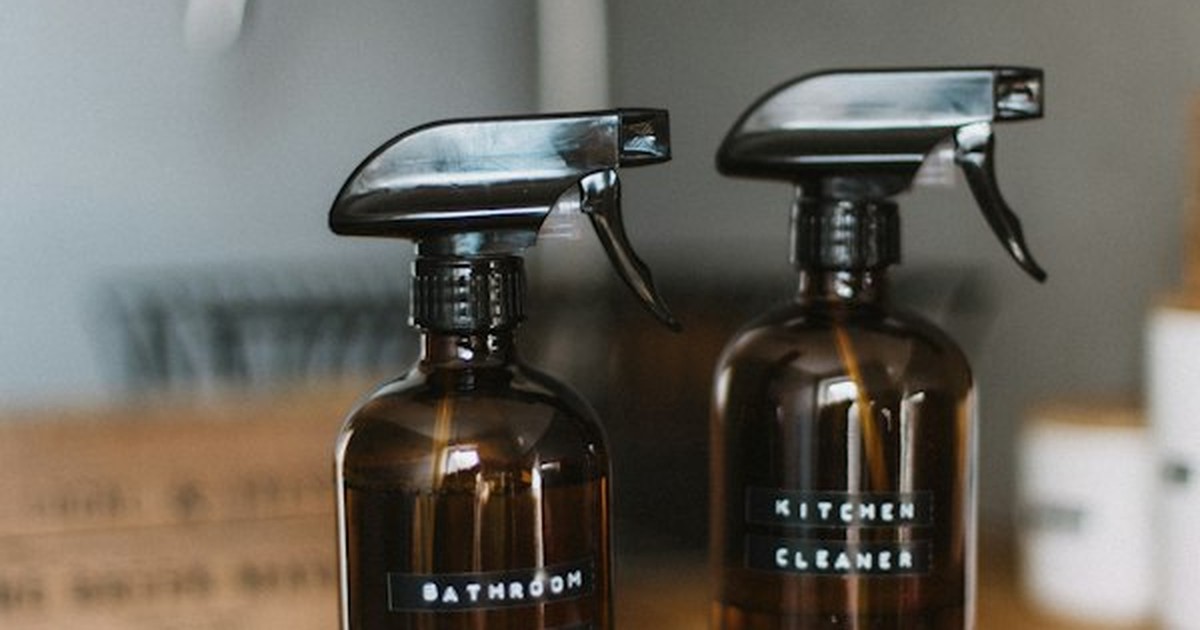
Mismatched commercial cleaning bottles create visual friction and waste precious shelf space due to awkward trigger handles and bulky packaging. Elevate your under-sink aesthetic and storage density by decanting essential surface concentrates into uniform 16-ounce amber glass or BPA-free PET spray bottles equipped with industrial mist-and-stream spray nozzles.
Group daily task items into a portable cleaning caddy with a sturdy center grab handle. Store glass cleaner, multi-surface spray, microfiber detailing cloths, and stiff scrub brushes in this central caddy. When deep cleaning other areas of your home, lift the entire kit out in one fluid motion, eliminating repetitive trips back and forth to the vanity.
Under-Sink Storage Hardware Comparison
Evaluate various organizer materials to ensure your storage accessories withstand damp environments without corroding:
| Storage Hardware Material | Rust Resistance | Load Bearing Capacity | Cleaning Ease |
|---|---|---|---|
| Heavy-Gauge Chrome-Plated Steel | High (Triple-Coated) | Up to 45 lbs per drawer | Wipe clean with microfiber cloth |
| High-Density Polyethylene (HDPE) Bins | Immune to Rust | Up to 25 lbs | Dishwasher safe / wash in sink basin |
| Clear Shatterproof PET Plastic Drawers | Immune to Rust | Up to 15 lbs | Hand wash with warm mild soap |
| Powder-Coated Carbon Steel Baskets | Moderate (Inspect Welds) | Up to 35 lbs | Damp cloth; avoid abrasive scrubbing |
According to home fixture and plumbing conservation guidelines established by the EPA WaterSense Program, maintaining unhindered access to shut-off valves and monitoring pipe connections for micro-leaks saves thousands of gallons of municipal water and prevents structural timber degradation.
Six-Step Cabinet Optimization Protocol
- Empty and Clean: Remove every item from the cabinet. Wipe down internal walls and baseboard wood with a disinfectant spray, checking for soft spots or water stains.
- Test Plumbing Connections: Run hot and cold water continuously for three minutes while inspecting all pipe joints, shut-off valves, and drain connections with a dry tissue. Tighten any weeping slip nuts.
- Lay Heavy-Duty Silicone Liner: Drop in a raised-edge silicone containment mat trimmed to fit neatly around the door frame perimeter.
- Install Sliding Drawers: Fasten slide-out metal storage towers to the cabinet base, verifying that fully extended drawers clear cabinet door hinges by at least one inch.
- Decant into Uniform Bottles: Transfer household cleaners into uniform amber spray bottles with clean, waterproof labels.
- Mount Over-the-Door Racks: Utilize vertical cabinet door interiors by mounting slim wire baskets for quick-grab items like dish sponges and rubber cleaning gloves.
Frequently Asked Questions
How do I prevent rust on metal under-sink storage racks?
Ensure that metal organizers feature heavy chrome electroplating or baked powder-coat finishes. Always allow wet dish sponges and damp cleaning brushes to dry fully in open caddies before tucking them away inside dark, enclosed cabinets.
Can I safely store power tool batteries or appliances under a kitchen sink?
No. Never store lithium-ion battery chargers, electrical hair dryers, or motorized kitchen appliances beneath sink basins. Ambient humidity spikes and unexpected pipe condensation create hazardous short-circuit risks in sensitive electronic circuitry.
What is the best way to handle odors coming from under-sink cabinets?
Persistent odors indicate trapped moisture, localized mold, or a dry P-trap siphon. After verifying that all drain joints are watertight, position a bowl of activated bamboo charcoal inside the cabinet to neutralize volatile organic compounds and ambient humidity naturally.
Conclusion
A methodical approach to under sink cabinet organization turns a historically neglected, cluttered corner into an efficient, aesthetically pleasing storage hub. By respecting plumbing clearances, installing protective silicone drip trays, utilizing tiered slide-out organizers, and standardizing uniform cleaning containers, you protect your home against water hazards while enjoying effortless access every single day.