


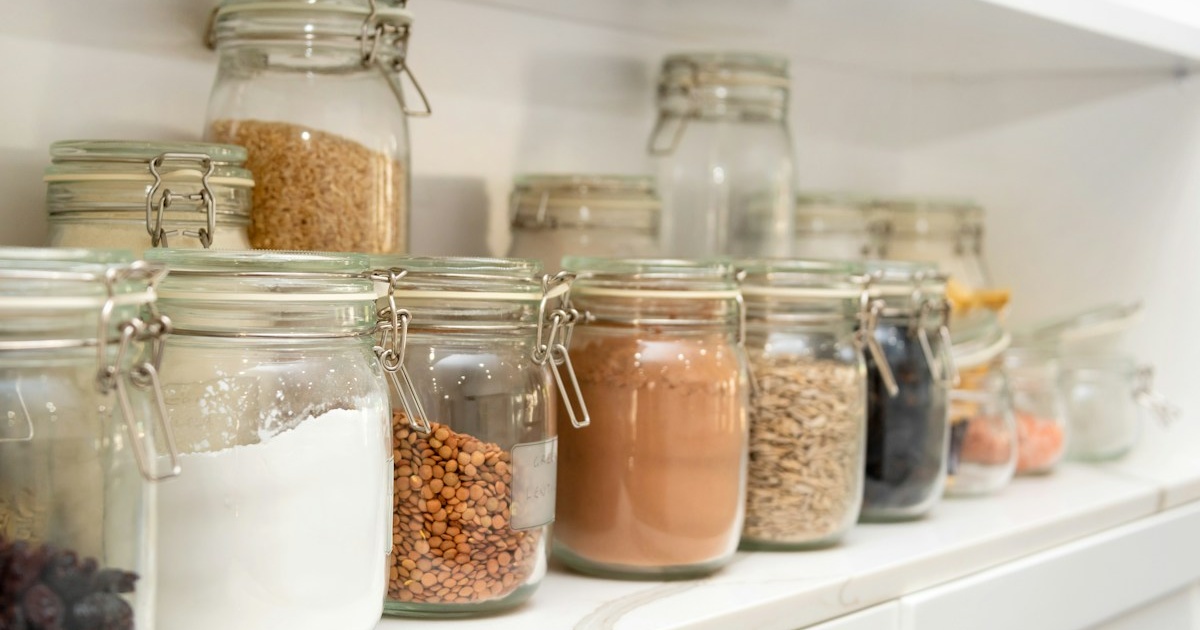
A disordered kitchen pantry is more than an aesthetic nuisance; it is a quiet daily drain on domestic productivity and household budgets. Jars get pushed into dark corners and expire unnoticed, half-empty bags of specialty grains spill across wire shelves, and dinner preparation becomes an exercise in frustration. Constructing a systematic kitchen pantry organization system restores culinary order, prevents costly food waste, and elevates your cooking workflow into an effortless ritual.
Most pantry organization attempts fail within six weeks because they prioritize rigid social media aesthetics over functional human ergonomics. Buying identical pastel containers looks appealing initially, but if the system does not accommodate how your household naturally cooks, shops, and replenishes staples, chaos inevitably returns. A truly enduring pantry blueprint balances ergonomic zone planning, airtight decanting science, and realistic inventory management.
1. The Four-Stage Pantry Reset Protocol
You cannot effectively organize a pantry by shuffling items around on existing shelves. A successful transformation requires an uncompromising four-stage reset:
- Complete Evacuation: Remove every single item from the pantry until the shelves are completely bare. Place items across your kitchen counters and dining table to see the full volume of your holdings.
- Ruthless Expiration Audit: Inspect every tin, bottle, and jar against the FoodSafety.gov FoodKeeper guidelines. Discard compromised seasonings, stale crackers, and rancid oils. Donate unexpired, unopened canned goods and grains that your family has not touched in six months.
- Deep Cleaning & Surface Sealing: Vacuum crumbs and flour residue from shelf crevices. Wipe down surfaces with a warm white-vinegar solution to eliminate lingering odors and deter pantry moths. Line wire shelves with rigid, washable polypropylene liners to prevent small bottles from toppling between rungs.
- Categorical Sorting: Group remaining items into broad culinary workflows before deciding where they live on the shelves.

2. Ergonomic Zone Mapping: Eye-Level Hierarchy
The core principle of pantry ergonomics is positioning items according to their frequency of use and physical weight. Divide your pantry vertically into five distinct functional zones:
Zone 1: Prime Real Estate (Eye to Waist Level). This is your most valuable spatial zone, spanning roughly thirty-six to sixty inches from the floor. Reserve this tier for daily cooking staples: cooking oils, everyday seasonings, breakfast grains, and dry pastas. Keep items single-deep or on tiered risers so you never have to move one container to reach another.
Zone 2: Lower Shelves (Knee to Waist Level). Ideal for heavier culinary goods and kids’ snacks. Store heavy canned goods, backup broths, potatoes, and onions here in breathable pull-out wire baskets.
Zone 3: The Floor & Base Zone (Floor to Knee Level). Reserve the base for bulky, heavy items: five-gallon beverage carboys, Dutch ovens, slow cookers, and rolling bins holding bulk pet food or rice sacks.
Zone 4: Upper Perimeter Shelves (Above Eye Level). Store lightweight, infrequently used supplies: paper goods, holiday serving platters, extra paper towels, and specialty baking pans.
3. Decanting Science: Preserving Flavor and Preventing Pests
Decanting dry goods out of flimsy cardboard boxes and crinkly plastic bags into clear, airtight containers serves three critical purposes: it extends shelf life by blocking humidity, creates instant visual inventory, and forms an impenetrable physical barrier against common Indian meal moths and grain weevils. According to food preservation research from the Cornell University Department of Food Science, storing dry staples in hermetically sealed glass reduces oxidation rates and protects volatile grain nutrients.
Choose high-borosilicate glass jars with silicone gasket bamboo lids, or BPA-free modular acrylic containers with airtight locking clamps. Select square or rectangular footprints rather than round containers; round jars waste up to twenty-five percent of shelf depth due to dead air gaps between curves.
Whenever you decant a dry good, write the item name and expiration date on the underside of the container or on a small piece of kraft paper using a washable grease pencil. This preserves crucial cooking instructions and baking ratios while keeping the front face pristine.

4. Modular Organization Hardware Matrix
Deploy specialized modular hardware to eliminate dead corners and maximize vertical clearance:
| Organization Tool | Optimal Pantry Zone | Ideal Food Categories | Key Benefit |
|---|---|---|---|
| Two-Tier Turntables (Lazy Susans) | Eye-level corners & upper shelves | Condiments, vinegars, hot sauces | Access deep items with a simple flick of the wrist |
| 3-Tier Stepped Can Risers | Eye-level middle shelves | Tinned tomatoes, beans, coconut milk | Elevates back rows so labels remain fully readable |
| Wire Pull-Out Slide Drawers | Lower deep shelves | Bulk snacks, root vegetables, onions | Prevents crawling on hands and knees to find goods |
| Under-Shelf Wire Baskets | Middle tiers with excess clearance | Bread loaves, tortillas, snack bars | Reclaims 4 to 6 inches of wasted vertical headspace |
| Airtight Modular Canisters | Eye-level central shelves | Flours, oats, rices, lentils, pastas | Airtight seal prevents pantry moths and moisture |

5. Integrating Kitchen Sustainability and Storage Flow
A well-organized pantry is the foundation for an eco-conscious culinary household. When you clearly see what you already have in stock, you eliminate the duplicate shopping trips that lead to moldy ingredients and packaging waste.
Seamlessly integrate your decanted pantry system with sustainable daily routines by adopting our practical guide to zero-waste kitchen habits that cut waste in half. Furthermore, if you need additional vertical storage capacity on bare kitchen walls, follow our engineering blueprint on how to build sturdy DIY floating shelves on drywall.
6. The 5-Minute Weekly Reset Protocol
Even the most meticulously designed organization system degrades if left unattended for months. The secret to long-term pantry perfection is an effortless five-minute reset incorporated into your weekly grocery replenishment:
Before leaving for the grocery store, conduct a sixty-second sweep of your shelves. Note depleted canisters, move older opened packages to the front (practicing FIFO: First In, First Out), and write your shopping list based exclusively on empty jars. When unpacking groceries, immediately decant bulk staples, recycle paper bags, and flatten cardboard packaging before it ever enters the pantry space.
Pairing this weekly reset with proper climate awareness keeps dry goods exceptionally fresh. Pantries should maintain an ambient temperature between 50°F and 70°F with relative humidity under sixty percent. Avoid locating bulk spice racks or delicate cooking oils directly above ovens or beside refrigerators where heat cycles accelerate rancidity.
By treating your pantry as a dynamic, ergonomic culinary workstation rather than an overstuffed storage locker, you foster a calm, inspiring kitchen environment that saves hard-earned money and makes preparing nourishing daily meals an effortless delight.