


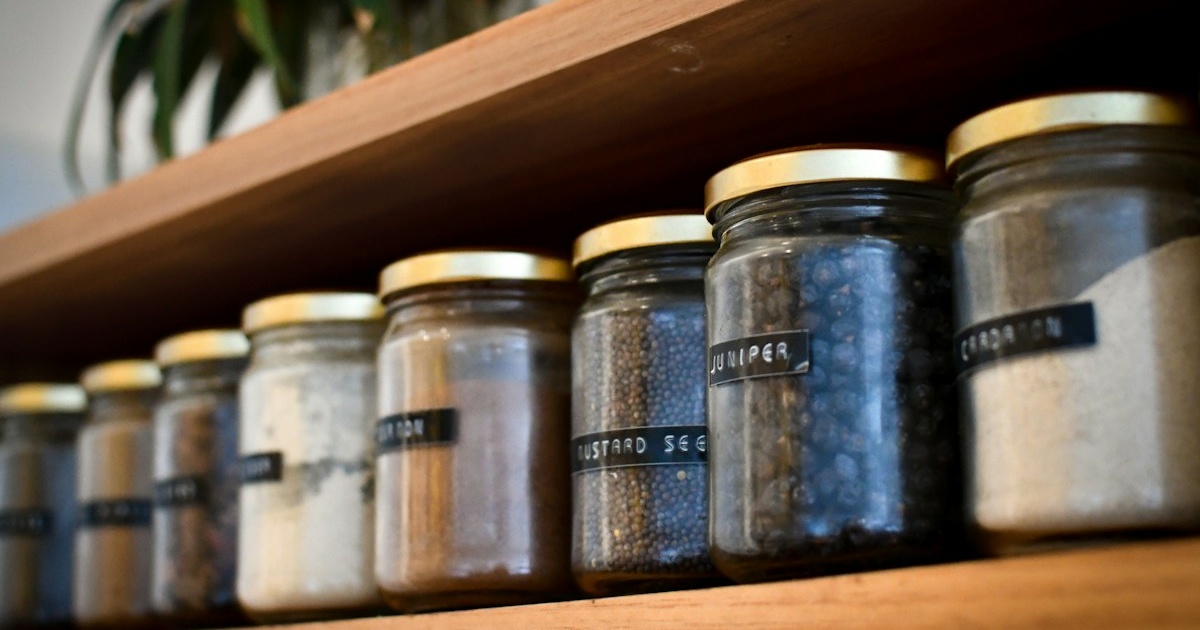
The modern kitchen is the epicenter of household waste. Between cling film, plastic produce bags, disposable paper towels, and spoiled food, cooking routines generate large volumes of trash. Transitioning toward a zero-waste kitchen is not about perfectionism; it is about practical swaps that permanently cut your waste stream in half.
When sustainability advice demands total lifestyle disruption, burnout is inevitable. The most enduring domestic changes are incremental. Research from the USDA on Food Loss and Waste shows that over thirty percent of edible food in municipal streams is discarded due to poor storage and premature expiration. By swapping disposables for durable workhorses, you reduce waste while saving hundreds of dollars annually.
1. The 7-Day Kitchen Waste Audit
Before buying trendy containers, observe your trash bin for three days. For most homes, kitchen trash breaks down into three culprits: single-use packaging from processed foods, plastic food wraps, and forgotten vegetables in crisper drawers.
A quick audit reveals your primary waste stream. If paper towels vanish every three days, prioritize reusable textiles. If fresh herbs spoil weekly, overhaul your herb storage. Targeted adjustments deliver immediate, rewarding results without feeling overwhelming.

2. Swaps 1 & 2: Food Preservation Without Plastic Film
Swap 1: Beeswax Cotton Wraps for Cling Film. Thin plastic cling wrap is made from low-density polyethylene, rendering it chemically non-recyclable in standard municipal facilities. Replace it with reusable organic cotton wraps infused with pure beeswax, jojoba oil, and natural tree resin. The warmth of your palms molds the wrap tightly around cheese wedges, half-cut lemons, or ceramic mixing bowls. Washed in cool water with mild soap, a quality wrap lasts up to twelve months before being fully composted.
Swap 2: Mason Jars for Herb Longevity. Soft culinary herbs like parsley, cilantro, and mint wilt within forty-eight hours when suffocated in plastic grocery sleeves. Instead, treat them like fresh flowers: trim a quarter-inch off the bottom stems and place them upright in wide-mouth glass mason jars filled with two inches of clean water. Loosely drape an inverted beeswax wrap or small linen cloth over the leaves and refrigerate. This simple hydration technique keeps tender herbs crisp and vibrant for up to three weeks.
3. Swaps 3 & 4: Plastic-Free Dish Care and Cleaning
Swap 3: Tampico & Coconut Fiber Brushes for Synthetic Sponges. Traditional yellow-and-green polyurethane kitchen sponges shed microscopic plastic fibers into municipal waterways with every wash cycle. Furthermore, their porous synthetic foam harbors dense colonies of bacteria, forcing premature disposal every few weeks. Switch to solid beechwood scrub brushes fitted with stiff Tampico (agave fiber) or coconut coir bristles. They deliver superior scouring power on cast iron and stainless steel, dry rapidly, and are completely biodegradable at the end of their lifespan.
Swap 4: Block Dish Soap for Plastic Squeeze Bottles. Liquid dish soap is approximately eighty percent water packaged in thick petroleum-based jugs. Replace them with solid, concentrated dish washing soap blocks formulated from saponified coconut oil. Rubbing a damp bristle brush directly onto the solid bar produces rich, grease-cutting suds that leave glassware spotless with zero plastic footprint.
4. Swaps 5 & 6: Bulk Sourcing and Open Shelf Organization
Swap 5: Organic Cotton Drawstring Bags for Plastic Produce Sleeves. The flimsy plastic bags in grocery produce aisles take hundreds of years to decompose and tear after a single use. Invest in a set of lightweight, tare-weighted organic cotton muslin bags. They hold everything from apples and sweet potatoes to bulk steel-cut oats and raw almonds, eliminating dozens of thin plastic sleeves on every grocery run.
Swap 6: Standardized Open Shelving and Durable Cookware. Plastic packaging in cupboards creates visual chaos and obscures food inventories, leading to duplicate grocery purchases and forgotten expired items. Decanting bulk grains, lentils, and pastas into clear glass canisters ensures instant visual inventory. To systematically execute this across your storage zones, consult our comprehensive blueprint for a kitchen pantry organization system.


5. Swaps 7 & 8: Scraps-to-Stock and Bread Preservation
Swap 7: The Freezer Scrap Bag for Purchased Bullion. Vegetable trimmings—onion tops, carrot peels, leek greens, garlic skins, and mushroom stems—possess immense culinary flavor. Keep a gallon silicone freezer bag in your freezer door. Whenever you prep dinner, toss clean vegetable trimmings into the bag. Once filled, simmer the frozen scraps with bay leaves, peppercorns, and filtered water for forty-five minutes to yield rich, aromatic culinary broth completely free of packaging waste. The U.S. EPA Sustainable Management of Food Framework ranks source reduction and culinary reuse as the highest-impact interventions for reducing household footprint.
Swap 8: Linen Bread Bags for Plastic Bagged Loaves. Commercial sandwich loaves come bundled in plastic bags with plastic clips. Sourcing unpackaged artisanal loaves from local bakeries or baking your own sourdough and storing them in breathable linen bread bags keeps crusts crisp while retaining interior crumb moisture without condensation mold.
If you generate remaining vegetable scraps that cannot be used for stock, divert them sustainably by setting up an apartment-friendly system through our practical guide on indoor composting without odors.
6. Financial and Waste Diversion Impact Matrix
See how simple zero-waste kitchen swaps pay for themselves while diverting household waste:
| Kitchen Swap | Disposable Alternative Replaced | Upfront Cost | Estimated 1-Year Savings | Annual Waste Diverted |
|---|---|---|---|---|
| Beeswax Wraps (Set of 4) | Plastic cling film rolls | $18.00 | $35.00 | 6-8 Plastic film boxes |
| Cotton Un-Paper Towels (Pack of 12) | Disposable bleached paper towels | $22.00 | $90.00 | 24 Paper towel rolls |
| Natural Wood Scrub Brush & Soap Block | Synthetic sponges & plastic dish bottles | $14.00 | $40.00 | 16 Sponges & 6 plastic bottles |
| Cloth Muslin Produce Bags (Set of 6) | Plastic grocery produce bags | $15.00 | $0.00 | 150+ Plastic produce sleeves |
| Freezer Veggie Stock Scrap Bag | Store-bought aseptic broth cartons | $12.00 (Silicone bag) | $65.00 | 18 Tetrapak broth cartons |
7. Sustaining Habits Without Perfectionist Burnout
The greatest threat to long-term domestic sustainability is perfectionism. If you forget your reusable cotton bags at home during a hurried grocery stop, do not consider your routine a failure. True sustainability is built on resilience, not flawless compliance.
Adopt an 80/20 mindset: focus on eliminating eighty percent of predictable daily waste through automated kitchen systems, and accept the occasional twenty percent when convenience is necessary. By anchoring these eight practical habits in your culinary space, you cultivate a mindful domestic kitchen that respects ecological boundaries while celebrating the joy of real cooking.