


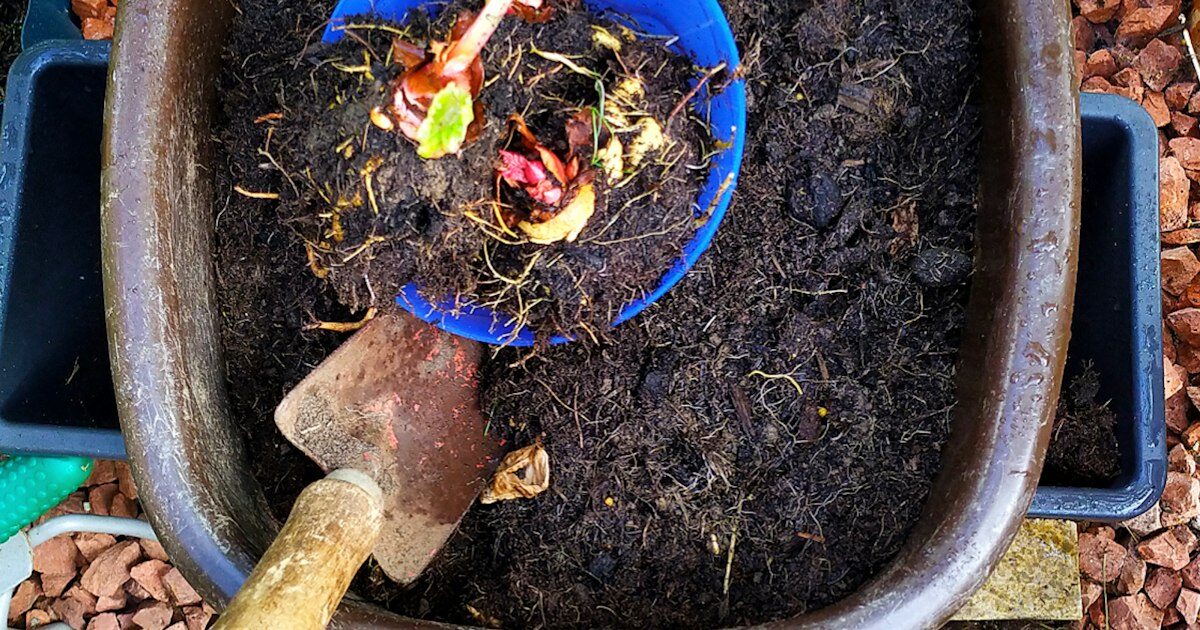
Walk into any big-box garden nursery, and you will find shelves packed with generic all-purpose potting soil. While dense, peat-heavy potting compost works acceptably well for outdoor annual bedding plants and containerized vegetable crops, pouring it into a pot with an indoor tropical Monstera, Philodendron, or Anthurium is one of the most common causes of houseplant decline. Within months, lower foliage begins yellowing, mushy black stems develop at the base, and roots suffocate in anaerobic sludge.
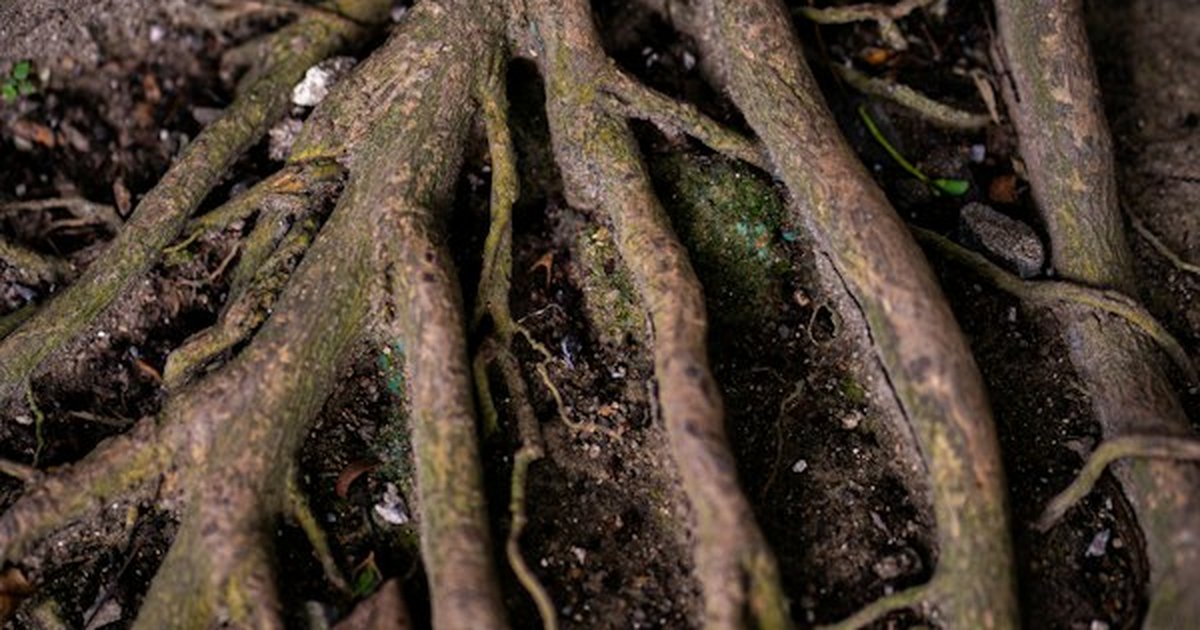
Understanding why standard potting soil fails tropical house plants requires looking at their evolutionary natural biology. In the dense rainforest canopies of Central and South America, aroids are not terrestrial ground-dwellers rooted in heavy dirt. They are hemiepiphytes and climbers that scramble up tree trunks, anchoring into loose bark crevices, pockets of decaying leaf mold, and aerial moss. Replicating this root physiology indoors requires an airy, coarse, chunky aroid substrate that balances capillary moisture retention with permanent macroporosity.
1. Soil Physics: Macroporosity, Capillary Action, and Root Respiration
To keep a tropical root system healthy, you must look at soil physics rather than simple nutrient volume. Plant roots do not merely drink liquid water; they actively respire, taking in vital gaseous oxygen (O2) and expelling carbon dioxide (CO2). In heavy, peat-based peat moss or standard potting compost, fine particles pack tightly together, creating thousands of microscopic micropores that hold onto water via powerful capillary action.
When you saturate a dense soil mix, water fills every void between soil grains, driving out air. If the substrate takes more than four or five days to drain and dry down, the root zone becomes totally anoxic. In this oxygen-starved environment, beneficial mycorrhizal fungi perish, and destructive anaerobic pathogens—most notably water molds like Phytophthora and Pythium—proliferate uncontrollably, dissolving the cellular outer cortex of the root in what hobbyists call “root rot.”
According to horticultural substrate research published by the University of Florida IFAS Extension, tropical containerized foliage requires a container substrate with an air-filled porosity (AFP) between 20% and 30% immediately after gravitational drainage ceases. Chunky aroid substrates achieve this structural stability by incorporating large, irregularly shaped aggregate particles that create spacious macropores, allowing surplus water to cascade straight through while trapping pockets of humid, oxygenated air.
2. Anatomy of the Five-Ingredient Professional Aroid Recipe
Rather than buying expensive premixed boutique bags, you can batch-mix a professional-grade custom aroid substrate using five readily available horticultural components. This exact formulation delivers physical longevity, biological structure, and rapid moisture percolation:
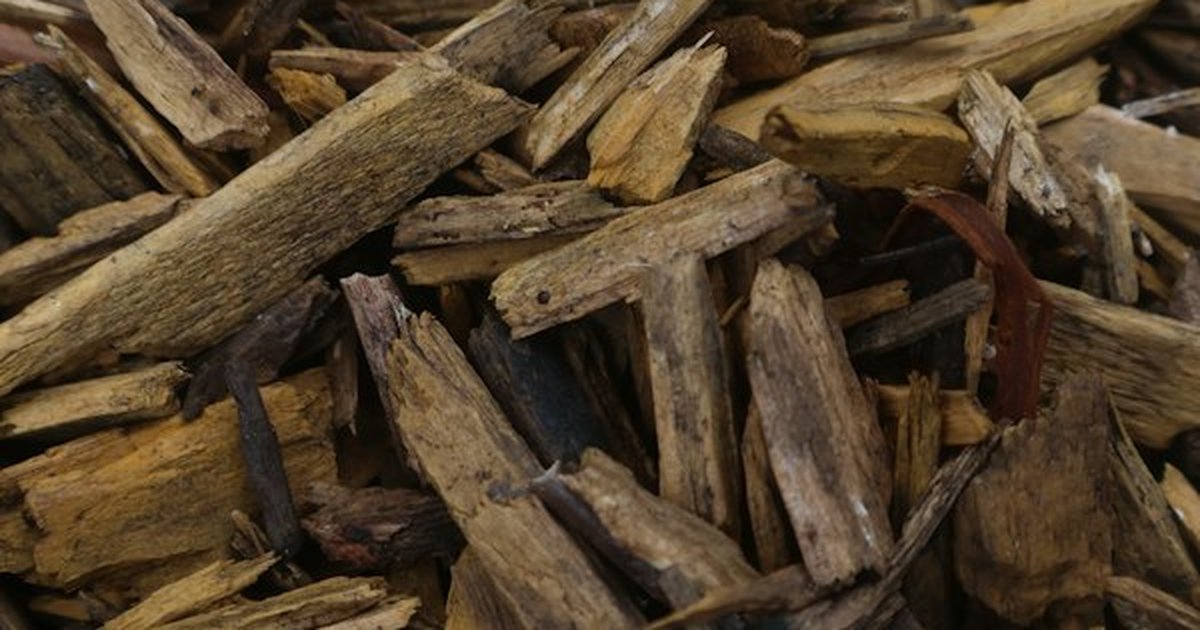
- New Zealand Pinus Radiata Bark (30% by volume): Also sold as medium-grade orchid bark (1/2″ to 3/4″ chunks). Unlike cheap soft pine mulch that decays into fine slime within six months, hard radiata bark resists fungal breakdown for three to four years, establishing the physical skeletal architecture of your potting mix.
- Chunky Coarse Horticultural Perlite or Pumice (20% by volume): Select #3 or #4 coarse perlite, or 1/4″ natural volcanic pumice. These porous volcanic minerals are sterile, chemically inert, and physically incompressible, ensuring macropore channels never collapse under wet weight.
- Coco Coir Chunks or Peat Free Fibre (20% by volume): Pre-washed, low-salinity coconut husk chips act as moisture reservoirs. They absorb water inside their fibrous walls while allowing surplus moisture to drain freely around their edges.
- Horticultural Charcoal (15% by volume): Hardwood activated biochar or horticultural charcoal chunks trap excess fertilizer salts, buffer organic acids, and host beneficial aerobic soil microbes while adding lightweight aeration.
- Mature Worm Castings (15% by volume): Rather than relying on synthetic slow-release chemical pellets that risk burning delicate epiphytic root tips, pure vermicompost delivers bio-available micro-nutrients, humic acids, and beneficial soil bacteria in a slow, natural release.
3. Substrate Component Specification and Drainage Matrix
Review the exact physical specifications, functional roles, and chemical properties of each primary component in a balanced aroid substrate:
| Component | Particle Size | Primary Function | Target Volume % | Decomposition Rate |
|---|---|---|---|---|
| Pinus Radiata Bark | 12mm – 18mm chunks | Structural skeletal framework, mimics epiphytic tree bark | 30% | Very slow (3–4 years before breakdown) |
| Coarse Horticultural Pumice | 6mm – 10mm aggregate | Permanent macropore aeration, prevents settling | 20% | Zero breakdown (permanent inorganic mineral) |
| Coconut Husk Chips | 10mm – 15mm cubes | Hydraulic moisture retention without density compaction | 20% | Moderate (2–3 years before softening) |
| Hardwood Horticultural Charcoal | 8mm – 12mm chunks | Adsorbs chemical residues, buffers root-zone pH | 15% | Zero breakdown (pure pyrolyzed carbon) |
| Pure Organic Worm Castings | Fine crumbly granular | Provides humic matter and gentle organic fertility | 15% | Absorbed biologically over 4–6 months |
4. Step-by-Step Mixing Protocol and Potting Mechanics
Assembling your aroid substrate correctly prevents respiratory irritation and ensures even blending across every handful:
First, always pre-soak dry coconut husk chips and orchid bark in clean tepid water for thirty minutes before mixing. Dry bark and coco chips are hydrophobic and repel water initially; pre-hydrating ensures they absorb moisture evenly. Next, moisten your perlite or wear an N95 dust mask when pouring, as microscopic dry perlite dust can irritate your respiratory tract.
Thoroughly blend all five components in a large potting tub until the distribution of white pumice, dark charcoal, and brown bark chunks is completely uniform. When potting your Monstera or Philodendron, select a nursery pot with generous drainage holes across the bottom perimeter, preferably clear plastic containers that allow you to visually monitor root expansion and moisture condensation.
According to houseplant cultivation principles from the Royal Horticultural Society (RHS), indoor plants should never be planted in containers without drainage holes. Gravel or clay pebbles placed at the bottom of a pot do not create drainage; they simply raise the perched water table closer to the root ball, increasing waterlogging risks.

5. Holistic Plant Care Integration
Providing your plants with a custom chunky substrate is just one part of a flourishing indoor jungle. If you are propagating fresh cuttings to pot up into this mix, review our companion guide on water propagation for beginners: rooting pothos and monsteras step-by-step to build strong initial water-root nodes before transplanting.
For selecting specimen varieties that thrive in ambient domestic environments, explore our expert selections in the top 7 low-light houseplants that actually thrive indoors. Finally, if you generate organic kitchen vegetable scraps, learn how to turn them into nutrient-rich biological soil food using our blueprint on indoor composting without odors.