


Living in an apartment with north-facing windows or deep courtyard setbacks often feels like an impossible hurdle for houseplant lovers. Mainstream gardening manuals frequently tout sun-loving tropical species that rapidly drop leaves, stretch into leggy stems, and succumb to root rot in dim domestic rooms. The secret to a thriving indoor garden in shaded quarters is choosing botanicals naturally evolved for forest understory survival.
There is a fundamental biological distinction between plants that merely tolerate low light while slowly dying, versus resilient species that actively synthesize energy, unfurl new foliage, and flourish in low-lux conditions. By matching tough low-light houseplants with appropriate watering cycles and well-aerated potting media, you can cultivate a lush, vibrant green canopy in the dimmest rooms of your home.
1. Demystifying Low Light: Foot-Candles and Lux Measurements
In interior horticulture, “low light” is not pitch-black darkness. Every living plant requires photons to fuel chloroplast photosynthesis. When horticulturists discuss low light, they refer to ambient illumination between 50 and 150 foot-candles (roughly 500 to 1,500 lux).
You can easily assess your lighting conditions using a smartphone light meter app or a dedicated lux meter held at plant leaf level at 1:00 PM. A north-facing window typically provides 100 to 250 foot-candles right on the sill, dropping precipitously to under 40 foot-candles just four feet back into the room. Understanding this spatial drop-off prevents positioning shaded plants in true photosynthetic dead zones.
To help balance light throughout dim rooms, review our architectural tips on how to maximize natural light in dim rooms, and if you are expanding your plant collection, explore our beginner blueprint on water propagation for houseplants.

2. The 7 Proven Low-Light Houseplants
These seven species have been verified across botanical records—including the comprehensive Missouri Botanical Garden Plant Finder—and proven to thrive in north-facing residential environments:
1. ZZ Plant (Zamioculcas zamiifolia)
The undisputed titan of low-light tolerance. Native to arid eastern African forests, the ZZ plant features glossy, deep emerald leaflets coated in a natural wax that reflects ambient light. Subterranean potato-like rhizomes store months of water and carbohydrates, making this plant virtually indestructible even if neglected for three to four weeks.
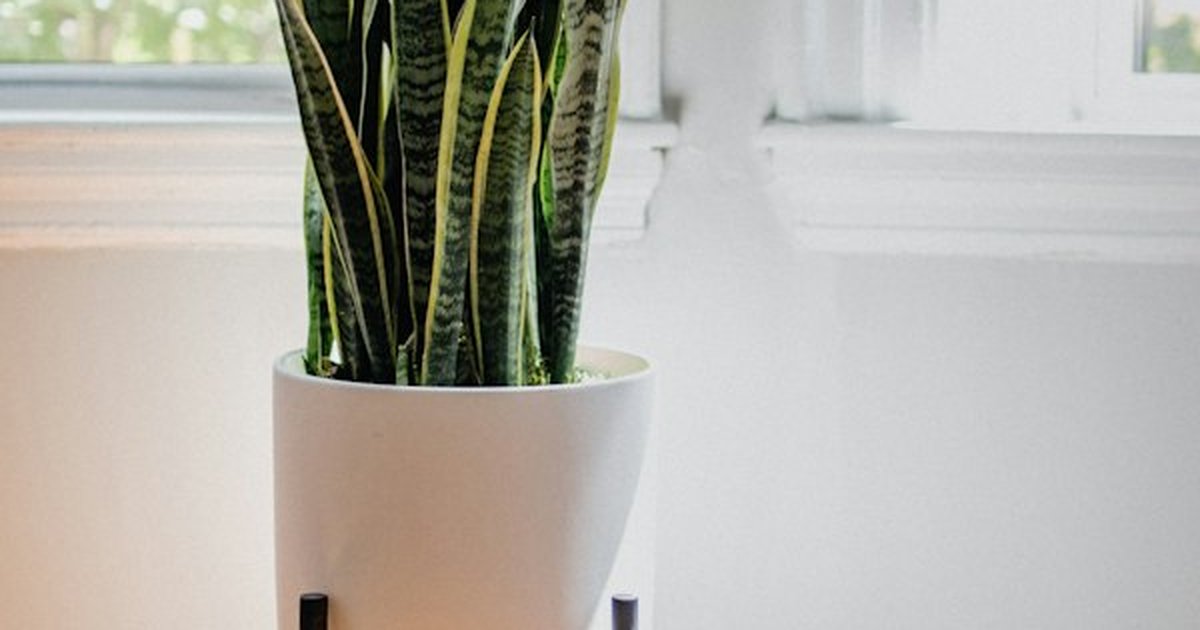
2. Snake Plant (Dracaena trifasciata)
Formerly classified as Sansevieria, snake plants feature stiff, architectural upright swords that thrive in corners where other plants wither. They utilize Crassulacean Acid Metabolism (CAM), opening their stomata to absorb carbon dioxide at night, minimizing daytime transpirational water loss. Water only when the potting mix is bone dry from top to bottom.
3. Cast Iron Plant (Aspidistra elatior)
Earning its nickname during the Victorian era for surviving coal smoke, gas fumes, and gloomy English parlors, the Cast Iron plant produces wide, ribbed dark green leaves that tolerate chilly drafts and deep shade with unmatched stoicism. It is exceptionally slow-growing but virtually immune to common pests.
4. Parlor Palm (Chamaedorea elegans)
If you crave tropical, feathery palm fronds without demanding full greenhouse sun, the Parlor Palm is your answer. Naturally adapted to the dense floor of Central American rainforests, it grows gracefully in light as low as 50 foot-candles, adding soft architectural height to shaded corners. Additionally, unlike many aroids that contain insoluble calcium oxalates, parlor palms are non-toxic to cats and dogs according to the ASPCA Animal Poison Control Center database.

5. Heartleaf Philodendron (Philodendron hederaceum)
With cascading vines adorned with heart-shaped emerald leaves, this classic aroid tolerates low light better than many variegated pothos varieties. It cascades gracefully from bookshelves or wall-mounted planters, steadily extending fresh vines even several feet away from north-facing windows.
6. Chinese Evergreen (Aglaonema ‘Maria’ or ‘Silver Queen’)
Chinese Evergreens offer patterned, silvery foliage that enlivens dark corners without fading. While modern pink and red cultivars demand moderate light to sustain their vivid pigments, traditional green-and-pewter varieties thrive under dim conditions and standard residential fluorescent lighting.
7. Peace Lily (Spathiphyllum wallisii)
Renowned for its broad, arching foliage and pristine white spathes, the Peace Lily flourishes in deep shade. It is also an excellent botanical communicator: when thirsty, its petioles gracefully droop, rebounding within two hours of a thorough watering.
3. Low-Light Houseplant Care Matrix
Use the maintenance benchmarks below to tailor watering and potting conditions for your low-light collection:
| Plant Species | Minimum Light Threshold | Average Watering Frequency | Ideal Soil Composition | Primary Risk / Failure Mode |
|---|---|---|---|---|
| ZZ Plant | 40 Foot-Candles (400 Lux) | Every 21 to 30 Days | 50% Potting Soil, 50% Perlite/Pumice | Overwatering; soggy rhizome rot |
| Snake Plant | 40 Foot-Candles (400 Lux) | Every 20 to 28 Days | Coarse cactus/succulent gritty mix | Water standing inside leaf rosettes |
| Cast Iron Plant | 50 Foot-Candles (500 Lux) | Every 14 to 20 Days | Standard potting soil + 20% bark | Direct sun scorching dark foliage |
| Parlor Palm | 60 Foot-Candles (600 Lux) | Every 10 to 14 Days | Peat/coco blend with fine perlite | Spider mites in extremely dry winter air |
| Heartleaf Philodendron | 50 Foot-Candles (500 Lux) | Every 10 to 14 Days | Chunky aroid mix (bark, perlite, coir) | Consistently wet, waterlogged roots |
4. The Golden Rule of Low-Light Care: Reduce Water
The single greatest killer of low-light houseplants is well-intentioned overwatering. Photosynthesis is the physiological engine that powers water consumption. In high sunlight, plants drink rapidly; in low light, transpirational water uptake drops by fifty to seventy percent.
Soil in a north-facing room stays damp for weeks. If you water on an arbitrary weekly schedule, roots remain submerged in stagnant moisture, suffocating root hair cells and welcoming Pythium root rot. Always verify that the top two to three inches of soil are completely dry before watering. Use a wooden moisture chopstick or a calibrated digital moisture probe, and never allow nursery pots to sit in pooled drainage water.
5. Leaf Hygiene and Dust Removal Protocol
In low-light spaces, every photon counts. Over time, household dust settles across broad leaves, acting like a sunshade that blocks up to thirty percent of incoming ambient light from reaching internal chlorophyll receptors.
Every three to four weeks, take a soft microfiber cloth dampened with tepid filtered water and gently wipe down the upper leaf surfaces of your ZZ plants, Cast Iron plants, and Peace Lilies. This simple habit keeps photosynthetic pathways clear, stimulates natural stomatal gas exchange, and leaves your indoor greenery with a radiant, natural glow.
With the right species and respectful watering restraint, north-facing rooms and cozy shaded alcoves can become some of the most vibrant, restorative botanical pockets in your home.